Local households and community organizations in Greer are engaged in planning for potential heat events, focusing on public resources and adjustments to daily routines. The approach centers on understanding how extreme temperatures can affect public services and community activities, particularly during the summer months.
Key areas of consideration include potential schedule changes for local events, impacts on transportation services, utility planning, and the availability of community cooling options. These elements form a framework for how the city and its residents can navigate periods of elevated heat.
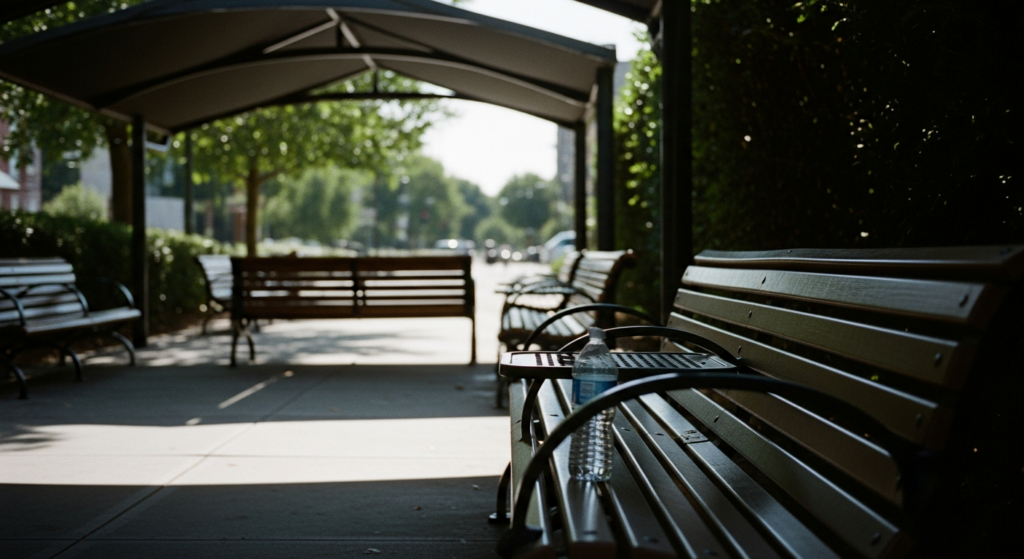
Public facilities, such as the Greer Community Center Park and Greer City Park, are often central to discussions about community cooling options, providing potential spaces for respite. Information regarding any specific operational changes or extended hours for these facilities would be disseminated by the City of Greer as needed.
Utility planning is another critical component. Entities like Greer CPW (Commission of Public Works) are involved in ensuring infrastructure resilience and communicating any advisories related to energy or water usage during high-demand periods. Understanding these public-context details can help residents anticipate and respond to utility needs.
For community calendars, the potential for event changes is a recurring theme. Organizers of outdoor activities or gatherings are often tasked with monitoring forecasts and making decisions to ensure public safety. This includes assessing whether events need to be rescheduled, moved indoors, or altered in scope. Transportation services also consider the effects of heat, which can influence vehicle performance and passenger comfort, potentially leading to adjustments in service delivery.
The overall aim of these planning efforts is to provide a clear understanding of available resources and potential impacts, allowing for informed decisions at both the household and community level within Greer.
Why it matters in Greer
These planning considerations are particularly relevant for Greer, a growing city in the Upstate South Carolina region. With major employers like BMW Manufacturing Co. and a robust network of neighborhoods, the smooth functioning of public services and the well-being of its residents are paramount. Proactive planning by the City of Greer and entities such as Greer CPW helps ensure that essential services remain operational and that public facilities can adapt to environmental challenges. This framework supports community resilience, allowing residents to access necessary information and resources to manage the effects of summer heat.
Filed under: Greer SC Health News