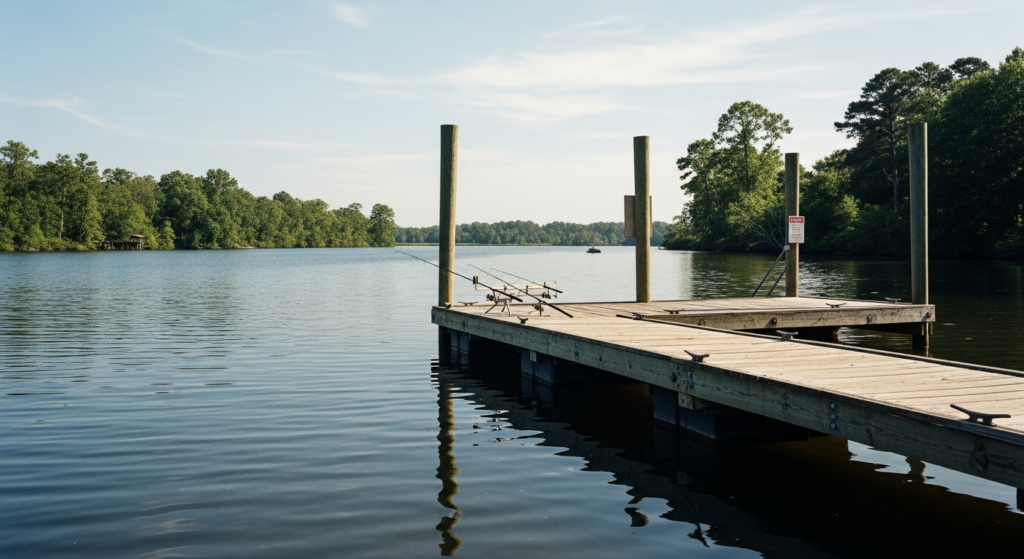
As residents of Greer and the surrounding Upstate South Carolina region increasingly turn to local lakes and rivers for recreation, a recently issued safety guide provides essential recommendations for anglers to mitigate risks associated with summer fishing. The guidelines cover sun protection, hydration, heat illness prevention, and boat safety, all critical considerations for those spending extended periods on bodies of water such as Lake Robinson, Lake Cunningham, or the Enoree and South Tyger Rivers.
One of the primary concerns highlighted in the guide is protection from the sun’s potent ultraviolet (UV) rays. The sun’s intensity is at its peak between 10 AM and 4 PM, a period when many anglers are actively fishing. Compounding this risk, water surfaces have the capacity to reflect up to 15% of UV radiation back at a person, significantly increasing overall exposure. To counter this, the guide strongly recommends using a broad-spectrum sunscreen with an SPF (Sun Protection Factor) of at least 30. For individuals anticipating extended periods on the water, an SPF of 50+ is advised. Sunscreen should be applied approximately 30 minutes before heading outdoors and reapplied every two hours, or more frequently if sweating heavily or getting splashed.
Beyond topical protection, appropriate clothing is a key defense against sun exposure. The guide suggests wearing lightweight, long-sleeved shirts and pants, ideally made from UPF-rated (Ultraviolet Protection Factor) fabrics, which are designed to block UV radiation. A wide-brimmed hat offering at least four inches of coverage all around is also recommended to protect the face, ears, and neck. Polarized sunglasses that provide 100% UV protection are crucial for safeguarding eyes from both direct and reflected sunlight, which can cause long-term damage.
Hydration is another cornerstone of summer safety, particularly in the humid conditions often experienced in Greer. Early indicators of dehydration include thirst, a dry mouth, decreased urination, and general fatigue. If these symptoms are ignored, dehydration can progress to more severe stages, characterized by dizziness, a rapid heartbeat, and confusion. Anglers are advised to drink plenty of water throughout their outing, even if they do not feel thirsty, to preempt these issues.
Heat-related illnesses pose a serious threat, ranging from heat exhaustion to the life-threatening condition of heat stroke. Symptoms of heat exhaustion include heavy sweating, general weakness, nausea, headaches, and muscle cramps. If these signs appear, it is imperative to move to a cooler environment, rehydrate, and rest. Heat stroke, a medical emergency, manifests with a high body temperature exceeding 103°F, an altered mental state, hot and dry skin (though sweating may still occur), a rapid pulse, and potentially unconsciousness. Immediate medical attention is critical for suspected heat stroke cases.
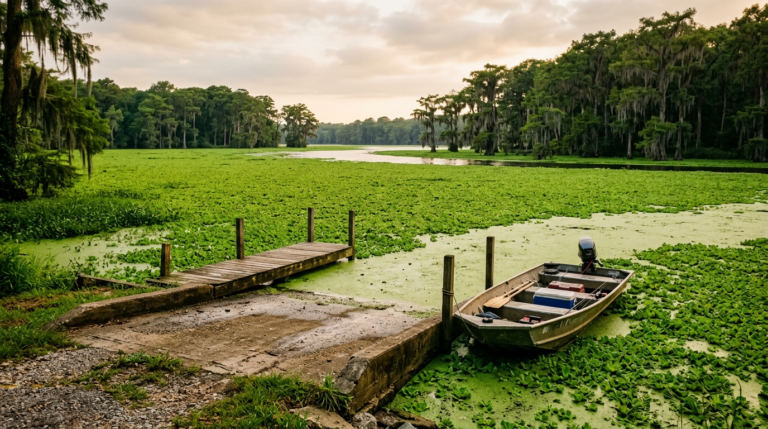
For those venturing onto Lake Robinson or Lake Cunningham in boats, specific safety protocols are outlined. The guide recommends filing a float plan, which details the vessel, crew, destination, and expected return time, with a trusted contact on shore. Carrying a VHF radio is advised for communication in emergencies, especially in areas with limited cell service. Additionally, boaters should ensure they have extra water and emergency supplies on board. The U.S. Coast Guard recommends carrying at least one gallon of water per person per day for emergency situations, underscoring the importance of preparedness for unexpected delays or breakdowns on the water.
Why it matters in Greer
These safety guidelines hold particular relevance for the Greer community, which benefits from access to popular fishing destinations like Lake Robinson and Lake Cunningham. These bodies of water, managed in part by entities such as Greer CPW, are integral to the local recreational landscape, especially during the warm summer months. Adhering to sun protection, hydration, and boat safety measures directly impacts the well-being of local anglers and reduces the strain on emergency services, including the Greer Police Department and Greenville County Sheriff’s Office, which respond to incidents on and around these waterways. By following these recommendations, residents can continue to enjoy Greer’s natural resources safely, preserving both individual health and community resources.