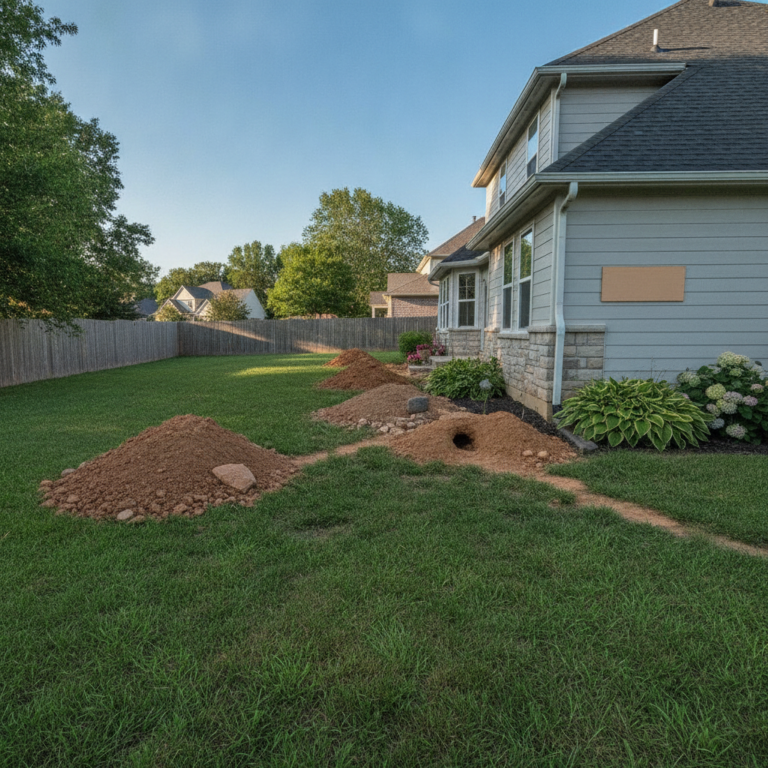
Homeowners in Greer are encouraged to familiarize themselves with a comprehensive storm safety guide designed to mitigate risks associated with natural disasters. The guide, which addresses a range of severe weather phenomena including hurricanes, tornadoes, wildfires, floods, and ice storms, underscores the unpredictable nature of these events and the importance of preparedness.
Before a storm strikes, the guide provides a detailed checklist for property owners. Key recommendations include a thorough inspection of the roof for any missing or damaged shingles, which can be critical weak points during high winds or heavy rain. Sealing gaps around windows, doors, and siding is also advised to prevent water intrusion and improve structural integrity. Maintaining clear and secure gutters and downspouts is highlighted as essential for directing water away from the home’s foundation, a crucial step in preventing water damage.
Tree branches near the home should be trimmed to reduce the risk of falling limbs damaging property or power lines. Outdoor furniture, grills, and other loose items are to be anchored or moved into a garage or sheltered location to prevent them from becoming projectiles in strong winds. For homes equipped with storm shutters or other window protection, the guide recommends installing or testing these systems proactively. Moving vehicles into a garage or other secure spot is also a suggested precaution. Finally, homeowners are advised to review their insurance coverage and document the current condition of their home with photographs, which can significantly streamline the claims process should damage occur.
An essential component of storm readiness is a well-stocked emergency kit. The guide specifies several critical items. Bottled water is paramount, with a recommendation of at least one gallon per person per day for a minimum of three days. Non-perishable food items, along with a manual can opener, are also necessary. For lighting, flashlights, extra batteries, and headlamps are recommended. A comprehensive first-aid kit and a supply of prescription medications are vital for health and safety. A battery-powered or hand-crank weather radio is crucial for receiving emergency alerts when power is out. Cell phone chargers and portable power banks ensure communication capabilities. Important documents, such as insurance policies and identification, should be stored in waterproof bags. Cash in small denominations, blankets, extra clothing, and sturdy shoes are also listed, alongside hygiene supplies.
The guide offers specific advice for different types of severe weather. For areas prone to flooding and heavy rain, homeowners are advised to install and regularly maintain a sump pump. Improving property drainage so that soil slopes away from the foundation is a fundamental step in preventing water accumulation. Extending downspouts several feet from the home and keeping gutters and drains clear are also crucial. Sealing foundation and basement openings can prevent water from seeping into lower levels. In flood-prone areas, elevating utilities and valuables is a proactive measure to protect them from water damage.
While Greer is currently experiencing summer, the guide also addresses winter weather preparedness, emphasizing that comprehensive safety planning spans all seasons. Recommendations for colder months include insulating exposed pipes to prevent freezing and bursting, and disconnecting and draining outdoor hoses. Clearing gutters and downspouts is important to prevent ice dams, which can cause significant roof and water damage. Keeping flashlights, batteries, blankets, and backup heat sources readily available is also advised. The guide strictly warns against operating a generator indoors due to carbon monoxide risks. Finally, safely clearing snow from walkways, driveways, and especially from vents, is crucial for both access and appliance function.
After a storm has passed, the guide instructs homeowners to wait until all hazards have cleared before beginning any inspection. A thorough assessment of the home’s exterior and interior is recommended, including the roof, gutters, siding, windows, HVAC units, solar panels, doors, ceilings, and attic. All damage should be meticulously documented with photos and detailed notes for insurance claims. Making temporary repairs, such as covering damaged areas with tarps or boards, is advised to prevent further damage from subsequent weather or exposure.
In situations where power outages occur during hot weather, the guide provides a critical safety threshold: if the indoor air temperature exceeds 95 degrees Fahrenheit, it is time to seek a cooler environment. This could include public facilities such as libraries, movie theaters, stores, or designated community cooling stations, which are often established during heat emergencies.
Why it matters in Greer
Greer’s location in Upstate South Carolina means it is susceptible to a variety of severe weather events, from summer thunderstorms and potential hurricane remnants to occasional winter ice storms. The proactive measures outlined in this guide are particularly relevant for residents in neighborhoods like O’Neal Village or Thornblade, where property values and community infrastructure can be significantly impacted by storm damage. Greer CPW, responsible for the city’s public works, plays a vital role in maintaining critical infrastructure that can be affected by severe weather, making individual homeowner preparedness a complementary effort to municipal resilience. Understanding these guidelines can help protect homes and families, minimizing disruption to daily life and the local economy, which relies on the stability of its workforce, including those employed by major employers like BMW Manufacturing Co. and GSP International Airport. This collective preparedness strengthens the overall ability of the Greer community to recover swiftly from natural disasters.