A recently published guide outlines essential precautions for anglers in Greer, emphasizing safety measures against sun exposure, dehydration, and heat-related illnesses during summer fishing excursions. The resource provides detailed recommendations for both seasoned and novice anglers navigating the region’s waterways, including Lake Robinson and Lake Cunningham.
One of the primary concerns highlighted in the guide is sun exposure. The sun’s ultraviolet (UV) rays are strongest between 10 AM and 4 PM, a period when many anglers are often on the water. The guide points out that water surfaces can reflect up to 15% of UV radiation, significantly increasing an angler’s overall exposure. To counter this, it strongly recommends using a broad-spectrum sunscreen with an SPF (Sun Protection Factor) of at least 30. For those planning extended periods on the water, an SPF of 50 or higher is preferable. Sunscreen should be applied generously 30 minutes before heading outdoors to allow it to absorb effectively, and it must be reapplied every two hours. More frequent reapplication is necessary after sweating heavily, swimming, or splashing, as water and perspiration can diminish its effectiveness.
Beyond sunscreen, protective clothing and accessories are crucial. The guide advises wearing lightweight, long-sleeved clothing with a UPF (Ultraviolet Protection Factor) rating. Light-colored garments are recommended as they reflect sunlight more effectively than dark colors, helping to keep the body cooler. A wide-brimmed hat, offering at least four inches of coverage around the head and neck, is essential for protecting the face, ears, and neck from direct sun. Polarized sunglasses with 100% UV protection are also vital, not only for eye health but also for reducing glare off the water, which can improve visibility and reduce eye strain.
Hydration is another critical component of summer safety. The guide stresses the importance of consistent fluid intake, recommending that anglers drink at least 8 ounces of water every 15 to 20 minutes during active fishing. Hydration efforts should begin the night before a fishing trip to ensure the body is well-prepared. Beverages high in caffeine or alcohol should be avoided, as they can act as diuretics and contribute to dehydration rather than preventing it. Early signs of dehydration include thirst, a dry mouth, decreased urination, and fatigue. More severe symptoms, such as dizziness, a rapid heartbeat, and confusion, indicate a more serious condition requiring immediate attention.
Heat-related illnesses pose significant risks during the warmer months. The guide differentiates between heat exhaustion and heat stroke, outlining the distinct warning signs for each. Heat exhaustion symptoms include heavy sweating, general weakness, nausea, headaches, and muscle cramps. If these signs appear, the affected person should be moved to a shaded area, excess clothing should be removed, cool water should be applied to the skin, and cool fluids should be provided if the person is conscious and able to swallow. Heat stroke is a medical emergency characterized by a body temperature above 103°F, an altered mental state, hot and dry skin (though sweating may still occur), a rapid pulse, and possible unconsciousness. The guide unequivocally states that a 911 call is required immediately for suspected heat stroke, and aggressive cooling measures should begin while awaiting emergency services.
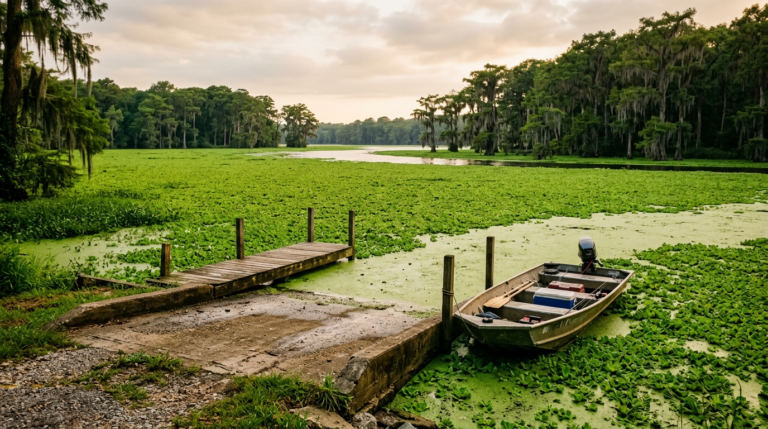
For those venturing out on boats in Greer’s lakes and rivers, specific safety measures are recommended. Before each outing, anglers should thoroughly check the boat’s engine cooling system to prevent overheating and ensure all required safety equipment, such as life jackets and fire extinguishers, is on board and in good working order. Filing a float plan with a trusted contact, detailing the planned route, destination, and expected return time, is a crucial step for emergency preparedness. Carrying extra water is paramount; the guide advises having at least one gallon of water per person per day available for emergencies. A VHF radio is also recommended for reliable communication, especially in areas with limited cell phone service.
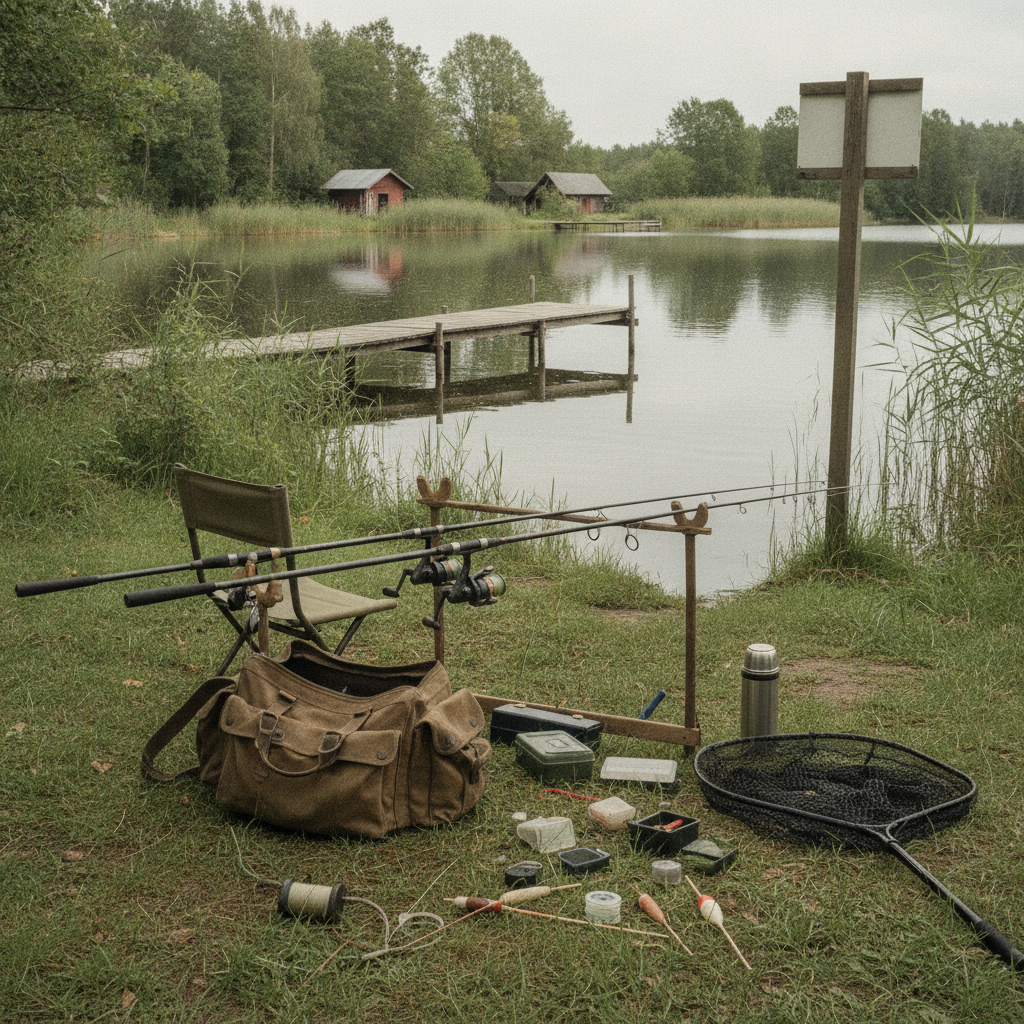
Summer heat and UV exposure can also take a toll on fishing gear. The guide notes that prolonged exposure can weaken rod guides and fishing line, and even warp tackle boxes, compromising their integrity and functionality. To mitigate this, anglers are advised to keep their equipment shaded whenever possible, using boat canopies, umbrellas, or natural shade. Regularly inspecting and checking fishing line for signs of wear or damage becomes even more critical during the summer months due to increased environmental stress.
Trip timing and general safety practices further enhance angler well-being. The guide suggests fishing before sunrise or during the evening when ambient temperatures are typically lower. If fishing during peak heat, anglers should prioritize using shaded areas, targeting deeper water where temperatures are cooler, taking frequent breaks, and opting for shorter fishing sessions. Cooling and first-aid supplies, such as cooling towels, portable fans, a cooler stocked with ice, instant cold packs, electrolyte packets, burn gel, and a thermometer, are recommended additions to any angler’s kit. Anglers should always inform someone of their location and expected return time, carry a charged cell phone in a waterproof case, and consider a personal locator beacon (PLB) for remote areas. Knowing the location of nearby medical facilities and having emergency contacts readily available are also vital.
Specific considerations apply to different fishing environments. Saltwater anglers, for instance, are advised to rinse their skin and gear with fresh water after exposure to prevent salt buildup and irritation. High-altitude anglers need to increase their sun protection due to thinner atmospheres and higher UV levels. Urban anglers, who might fish in areas like Brushy Creek or near Greer City Park, should plan for additional cooling strategies, as concrete and asphalt can reflect heat, and natural shade may be limited. Drying sweaty hands before handling hooks, using pliers or hook removers to minimize direct contact with fish, and storing hooks in organized tackle boxes are universal recommendations to prevent injuries.
Why it matters in Greer
The comprehensive safety guidelines are particularly relevant for the Greer community, where fishing is a popular recreational activity on local bodies of water such as Lake Robinson and Lake Cunningham. These lakes, managed in part by Greer CPW, are vital natural assets that attract residents seeking outdoor leisure. By adhering to these precautions, anglers can ensure their safety and the longevity of their equipment, contributing to a more responsible and enjoyable use of Greer’s natural resources. The emphasis on preparedness and awareness helps safeguard the well-being of individuals and families who frequent these cherished local fishing spots throughout the summer.