As the summer season progresses, hunters across Greer and the broader Upstate South Carolina region are engaging in the critical preseason preparations necessary for a successful and safe deer hunting season. This comprehensive approach encompasses everything from inspecting essential gear to strategic land scouting and personal physical conditioning.
One of the foundational elements of preseason readiness involves a thorough inspection of all hunting equipment. For archers, this means meticulously examining bows for any signs of wear or separation in limbs, cams, and strings. Regular waxing of bowstrings is recommended to maintain their integrity and performance, and any questionable components should be replaced proactively to prevent failures in the field. Consistent practice shooting is also advised to build and maintain accuracy and consistency, ensuring that muscle memory is honed before the season begins.
Rifle hunters, similarly, must dedicate time to their firearms. Cleaning and oiling rifles are essential to prevent corrosion and ensure smooth operation. Scope mounts require careful inspection to confirm they are secure and properly aligned, and confirming the rifle’s zero at a shooting range is a non-negotiable step for accuracy. For those using broadheads, an arrow spinner can be invaluable for checking straightness and alignment, which directly impacts flight consistency and ethical shot placement.
Beyond the primary weapon, clothing and footwear demand attention. All hunting garments should be washed with scent-free detergent to minimize human odor, which can alert deer to a hunter’s presence. Checking clothing for holes, worn seams, and fading ensures durability and camouflage effectiveness. New footwear should be broken in well in advance to prevent discomfort and blisters during long treks, and the waterproofing of all boots and outerwear must be verified and reapplied if necessary, especially given the potential for damp conditions in the region.
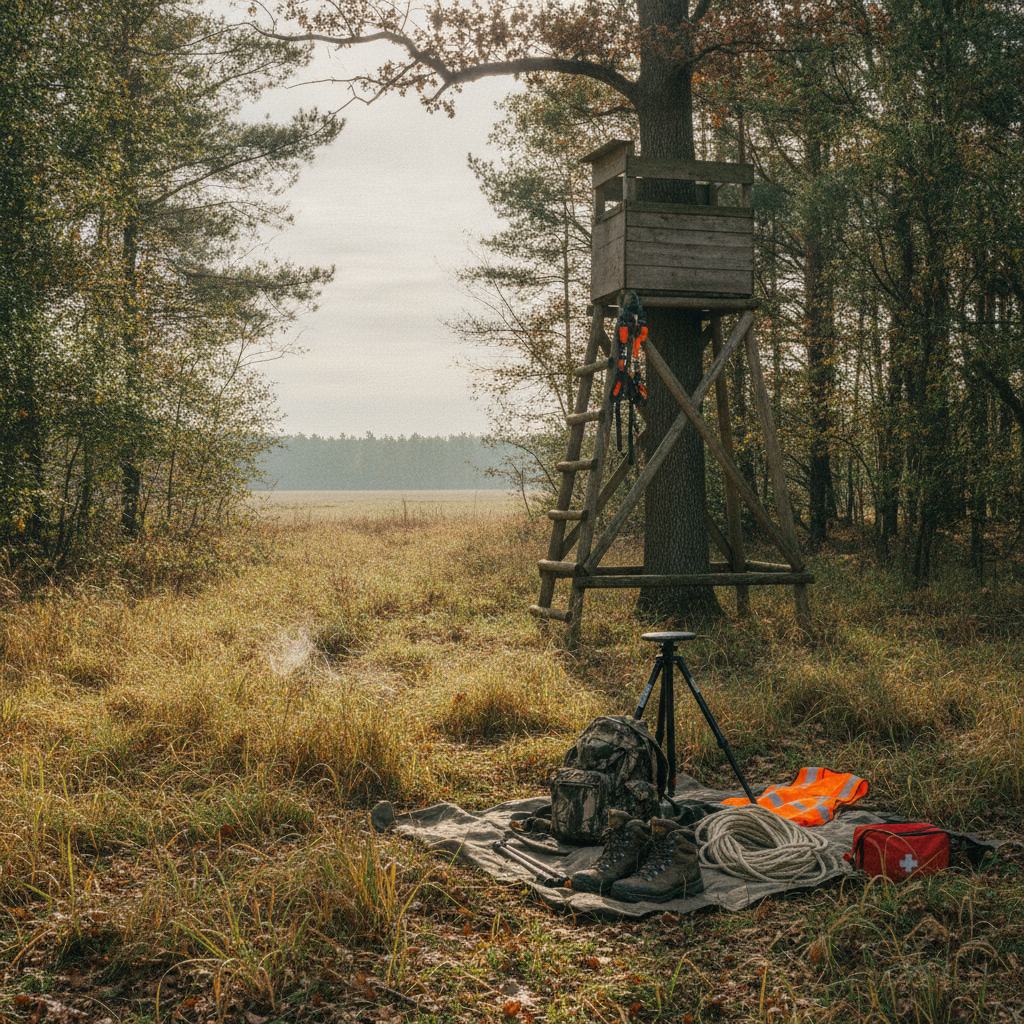
Safety in the field is paramount, particularly when utilizing elevated positions. Treestands, ladder stands, and climbing sticks must undergo rigorous inspection for rust, loose fasteners, cracks, or frayed straps that could compromise their structural integrity. A full-body harness, a critical piece of safety equipment, should be tested with a lifeline to ensure proper function and fit. For navigation, GPS units should be fully charged, or mapping applications downloaded to smartphones, with external battery packs fully charged as backups. Additionally, treating clothing with permethrin is a recommended measure to protect against tick-borne illnesses, which are a concern in wooded areas during the warmer months.
Strategic stand placement is a cornerstone of effective deer hunting. The guide suggests positioning stands at natural pinch points, funnels, creek crossings, or staging areas located near food sources or bedding grounds. Hanging stands early in the summer allows deer ample time to acclimate to their presence, reducing the likelihood of them avoiding the area. When trimming shooting lanes, a conservative approach is advised to maintain adequate cover while providing clear shot opportunities. Map scouting plays a crucial role in this planning, involving a detailed examination of contour lines, saddles, ridges, draws, creeks, ponds, low spots, agricultural fields, oak stands, and browse areas. Hunters should also plan access routes that account for varying wind conditions, minimizing disturbance to the hunting area.
Trail cameras have become an indispensable tool for many hunters, providing valuable intelligence on deer movement and patterns. Optimal locations for these cameras include mineral licks, well-used trails connecting bedding and feeding areas, field edges and corners, and water sources. During the summer, and particularly as the rut approaches, water sources can be especially valuable for attracting deer, making them prime spots for camera deployment. Power management for trail cameras can involve various solutions, such as lithium cartridges for extended life, solar panels or folding solar panels for continuous charging, or battery belts for larger power capacities.
Before deployment, trail cameras require careful preparation. Batteries should be fully charged, and SD cards, if used, should be formatted and clearly labeled to prevent data loss and confusion. Testing the camera’s field of view, motion activation, flash, and other settings ensures it will function as intended. Some modern cameras, such as the Ultra and REVEAL 3.0 series, offer internal memory, making SD cards optional. Cellular cameras necessitate activation and software updates, and hunters are advised to install the latest version of their camera’s accompanying app, such as the REVEAL app, for optimal functionality and remote monitoring.
Additional preparations extend to camp logistics and personal readiness. For those planning multi-day hunts, inspecting tents and campers, checking stakes and poles, and washing or airing out sleeping bags and pillows are important for comfort and hygiene. Camping stove fuel canisters should be filled, and cutlery confirmed. Practicing shooting while wearing hunting clothes helps ensure comfort and familiarity with movements in the actual gear. Hunters should also prepare their packs with essential items, including tags, snacks, water, licenses, and a comprehensive first-aid kit. Coordinating plans with private-land owners is crucial for legal and ethical hunting, and getting into good physical shape for long hikes and climbs will enhance endurance and safety in the rugged terrain often found in the Upstate.
For those seeking advanced planning tools, enhanced mapping features are available, often through add-on plans starting at approximately $4 per month. These plans typically include detailed property boundaries, property information, landowner names and addresses, shape and path drawing tools, custom pins, and navigation features that can be integrated with trail-camera setups. Such resources can be particularly beneficial for hunters navigating the varied landscapes around Greer, from the developed areas near Wade Hampton Boulevard to more rural tracts closer to the Enoree River or Lake Robinson.
Why it matters in Greer
For residents of Greer, a community known for its blend of suburban development and access to natural landscapes, these preseason hunting preparations are more than just a hobby; they represent a commitment to safety, ethical practice, and responsible outdoor recreation. The proximity of Greer to significant natural areas, including the Enoree River watershed and the South Tyger River watershed, means that many local individuals engage in hunting activities. Ensuring that equipment is safe and properly maintained, and that hunters are physically and mentally prepared, directly contributes to reducing accidents and promoting responsible land use. The emphasis on coordinating with private-land owners, a common practice in areas like O’Neal Village or near Lake Cunningham, underscores the importance of respecting property rights and fostering positive relationships within the community. These preparations help maintain Greer’s reputation as a place where outdoor traditions can be pursued safely and thoughtfully, benefiting both participants and the wider environment. Local public school district (GCS) employees or those working at BMW Manufacturing Co. often participate in these activities, highlighting the broad community relevance of safe hunting practices.