Each year, nearly 320,000 individuals seek emergency medical attention due to injuries sustained from lawn and gardening equipment, underscoring the critical need for vigilance in home maintenance. A detailed checklist, tailored for the summer season, emphasizes safety-focused tasks for landscaping, swimming pools, exterior structures, grills, fire pits, and indoor spaces, aiming to prevent common hazards and costly repairs for homeowners in Greer.
Lawn and Garden Equipment Safety
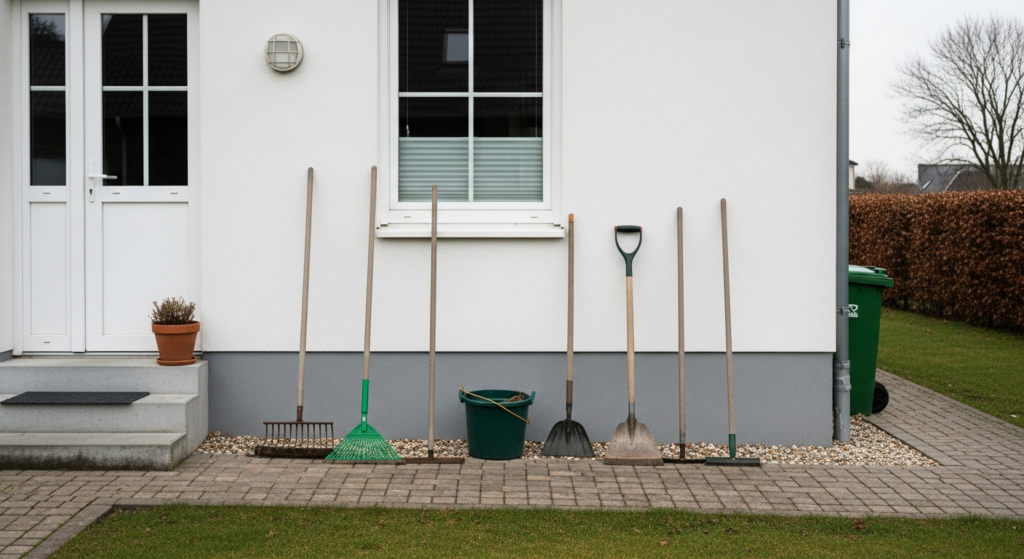
Operating lawn and gardening equipment demands careful attention to safety protocols. Homeowners are advised to always use machinery according to manufacturer instructions and to wear appropriate safety gear, which typically includes eye protection, sturdy footwear, and hearing protection for louder equipment. Taking frequent breaks, especially during the peak heat of the day, is crucial to prevent heat-related illness. Awareness of one’s surroundings, including the presence of children or pets, can prevent accidents. The significant number of annual emergency room visits linked to such equipment highlights that even routine tasks carry substantial risks if not approached with caution.
Exterior Drainage and Water Damage Prevention
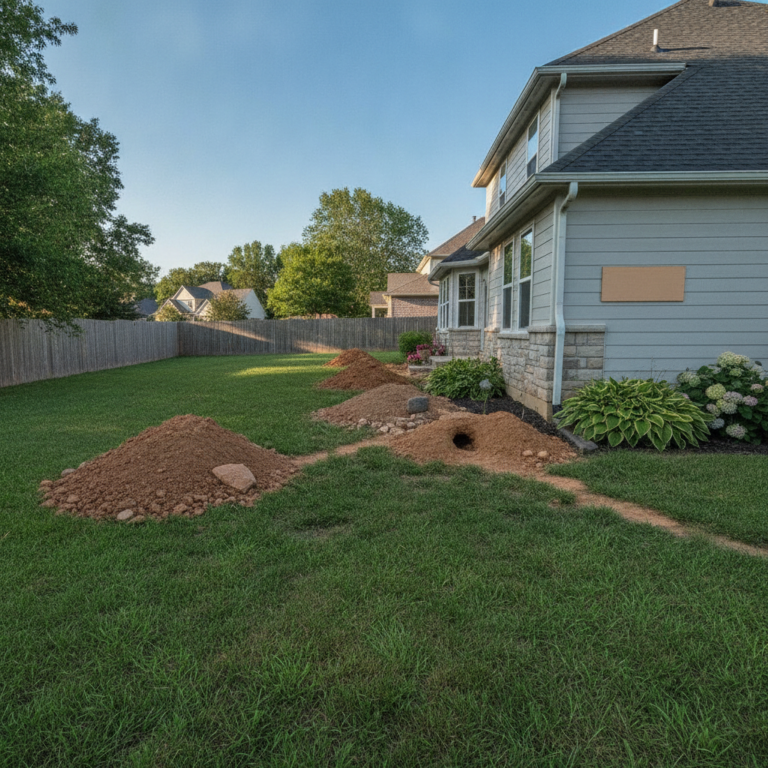
Effective water management around a home’s foundation is paramount to preventing structural damage and pest infestations. Experts recommend grading soil so it slopes gently away from the home within the first 10 feet of the foundation. This slight angle helps direct rainwater runoff away from the structure, preventing it from pooling and potentially seeping into basements or crawl spaces. Additionally, eliminating standing water from buckets, plant pots, and other low-lying areas around the yard is essential. Stagnant water serves as a breeding ground for mosquitoes and other pests, which can pose health risks and become a nuisance for families in Greer.
Pool Maintenance and Leak Detection
For homes with swimming pools, regular maintenance is key to both safety and longevity. This includes routinely cleaning filters and clearing debris from pump filters to ensure efficient operation and water quality. A common issue, often overlooked, is pool leaks. Approximately one in 20 pools has a detectable leak, which can lead to significant water loss and increased utility bills. Homeowners can perform a simple leak test by placing a five-gallon bucket filled with pool water on a step, marking the water level inside and outside the bucket, and checking it after 24 hours. If the pool’s water level drops more than the bucket’s, a leak is likely present, warranting professional inspection.
Playset Safety and Upkeep
Children’s playsets, while providing recreation, can also be a source of injury if not properly maintained. About 50,000 children are treated in emergency rooms annually for playground injuries, with approximately 80% of these incidents resulting from falls. Regular inspection is vital: tightening swing-set nuts and bolts, oiling moving parts as needed, and checking protective caps and plugs are essential tasks. Any warped, cracked, or deteriorated components, such as swing seats, ropes, or structural elements, should be replaced immediately to ensure the safety of children using the equipment.
Grill and Fire Pit Safety
Outdoor cooking and entertaining with grills and fire pits are popular summer activities, but they require strict adherence to safety guidelines to prevent fires and burns. Gas, electric, or charcoal grills should be positioned at least three feet away from children and pets, as well as from homes, deck railings, and overhanging tree branches. Grills should never be left unattended while cooking, and regular cleaning, including emptying grease traps, is crucial to prevent flare-ups. For fire pits and campfires, keeping a hose or a five-gallon bucket of water nearby is a non-negotiable precaution. Fires should be limited to three feet in diameter and two feet in height, confined within a stone- or brick-lined pit with a screen, and all flammable materials and leaves should be cleared from the immediate vicinity. Crucially, fires must be fully extinguished before leaving them.
Roof and Exterior Structure Inspection
The exterior of a home, including the roof, plays a critical role in protecting the interior from the elements. Homeowners should inspect trees near pools and other structures, removing any dangerous or overhanging limbs that could fall during storms. Cleaning gutters and downspouts regularly prevents water from backing up and causing damage to fascia boards or foundations; rechecking them after heavy rainstorms ensures they remain clear. Roofs should be inspected for damaged shingles, missing flashing, or other signs of water leaks. Addressing chipped paint or rotted wood on siding, trim, or window frames not only improves curb appeal but also prevents further deterioration and potential pest entry. Pressure washing can effectively remove mold and mildew, which can degrade surfaces and pose health concerns.
Indoor Humidity Control and HVAC Preparation
Inside the home, maintaining a comfortable and healthy environment involves managing humidity and ensuring air conditioning systems are ready for the summer heat. Indoor humidity levels should ideally be maintained between 30% and 60%, a range that can be monitored with a hygrometer. If humidity consistently exceeds this range, a dehumidifier may be necessary to prevent mold growth and maintain air quality. Before the onset of hot weather, arranging an inspection of the air-conditioning system or window units by a licensed HVAC technician is a proactive step to ensure efficient operation and avoid breakdowns when temperatures climb. This preventative measure can save on energy costs and extend the life of the unit.
Garage Security
Garages are often overlooked entry points for theft. Securing and locking the garage door, especially when away from home or at night, is a fundamental security measure. Additionally, removing valuables from vehicles parked in the garage can deter opportunistic thieves, even if they manage to gain entry. Simple steps like these contribute significantly to overall home security in Greer.
Why it matters in Greer
Diligent home maintenance is more than just a series of chores; it is an investment in property value, safety, and community well-being across Greer. For families residing in neighborhoods like O’Neal Village or Pelham Falls, proactive measures against water damage can protect significant financial investments, while ensuring playset safety directly impacts the health and security of children served by the Local public school district (GCS). The recommendations for grill and fire pit safety are particularly relevant during summer gatherings, preventing incidents that could strain local emergency services. By addressing these maintenance points, Greer residents contribute to a safer, more resilient community, reducing the burden on public services like the Greer Fire Department and preserving the aesthetic and structural integrity of homes that define the city’s character. This collective effort underpins the quality of life that many cherish in the Upstate South Carolina region.