As the 2026 hunting season approaches, a new guide offers detailed preparation advice for individuals new to hunting, emphasizing the legal, safety, and practical considerations necessary for responsible participation. The resource covers everything from initial education and licensing to fieldcraft and post-harvest procedures, providing a structured approach for beginners.
Prospective hunters are strongly advised to complete a state-approved hunter education course as a foundational step. These courses are offered in various formats, including traditional classroom instruction complemented by a field day, online instruction also paired with a field day, and, in some states, fully online coursework specifically for adults. Following education, securing the correct hunting license and species-specific tags is paramount. Additionally, new hunters must ensure they have legal access to hunting land, whether private or public, well in advance of opening day.
The regulatory landscape for hunting is complex and varies significantly. The guide highlights that season dates, permissible weapons, minimum calibers or draw weights for bows, bag limits, and specific tagging or reporting requirements are not uniform. These rules can differ by state, specific game management unit, weapon type, and even the sex or age of the animal being pursued. It underscores the importance of thoroughly researching and understanding current state and local regulations before venturing into the field.
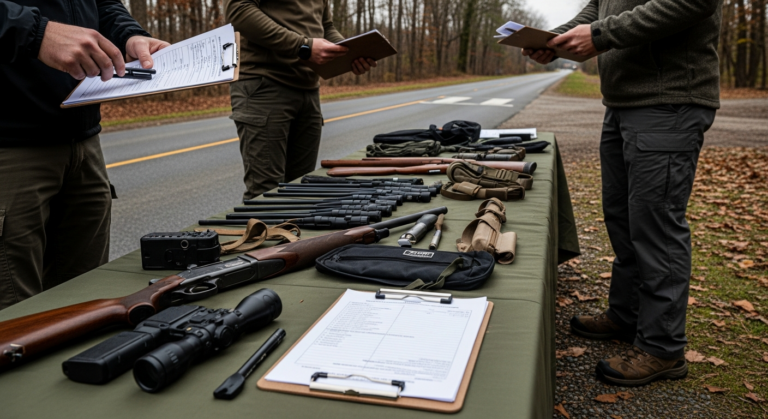
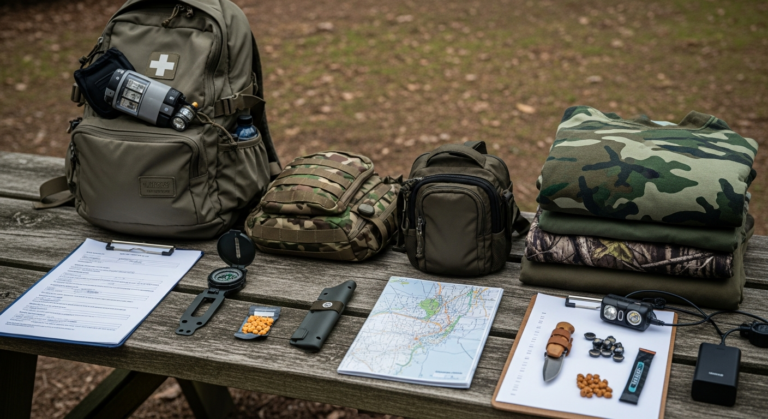
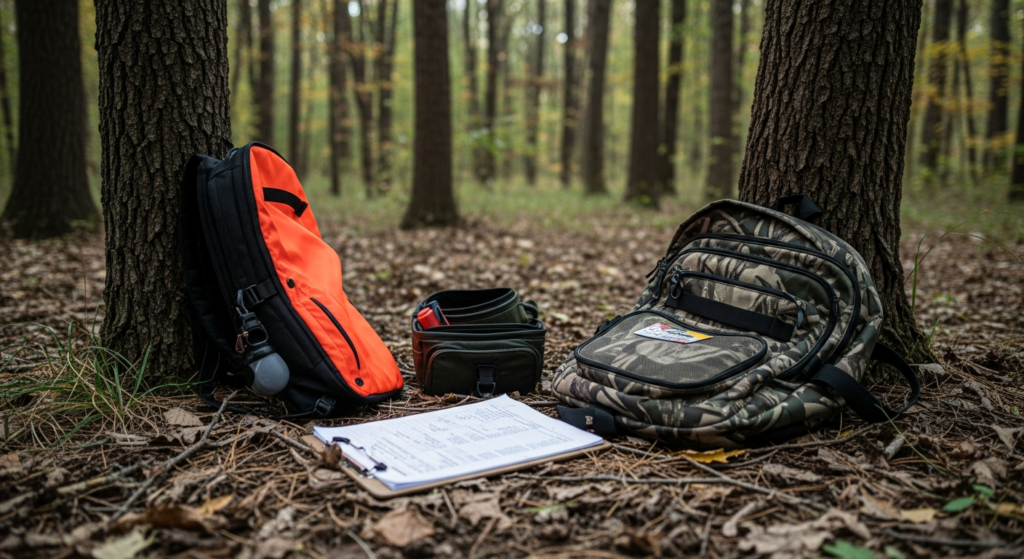
Equipping oneself properly is another critical aspect of preparation. The guide recommends a core set of equipment for new hunters. This includes a legal weapon, whether a rifle, shotgun, or compound bow, along with sufficient practice ammunition or arrows. Essential documentation such as licenses and tags must always be carried. Safety gear like hunter orange, where mandated, is crucial. Personal comfort and utility items include broken-in boots, layered clothing suitable for varying weather conditions, binoculars for scouting, a day pack, water, and high-calorie snacks. For emergencies and low-light conditions, a headlamp with extra batteries, a reliable knife, and a comprehensive first-aid kit are also recommended.
The financial commitment for new equipment can be substantial. The guide provides approximate cost estimates to help beginners budget. An entry-level rifle, including a basic scope, is estimated to cost between $450 and $800. A shotgun suitable for deer or small game typically ranges from $350 to $700. For those interested in archery, a compound bow package can cost between $400 and $900. Essential clothing, such as boots and basic layering, is estimated at $200 to $400, while entry-level binoculars might add another $100 to $250 to the overall budget.
Safety is a paramount concern, and the guide dedicates significant attention to established protocols. It reiterates the fundamental rules of firearm safety: treating every firearm as if it were loaded, always keeping the muzzle pointed in a safe direction, keeping one’s finger off the trigger until ready to shoot, and positively identifying the target, what is in front of it, and what is beyond it. For hunters utilizing elevated stands, the guide strongly advises the use of a full-body harness, a lineman’s belt, and a lifeline to prevent falls, which remain a leading cause of serious injury in hunting.
Beyond the hunt itself, the guide provides instruction on post-harvest procedures. Once an animal is recovered, it must be tagged immediately according to state law. Rapid cooling of the meat and maintaining cleanliness are critical for preserving its quality. Hunters must also adhere to species- and state-specific rules for field dressing and transport. For those who prefer not to process the animal themselves, professional processing services are available, with estimated costs ranging from $80 to $200 or more per animal, depending on size and species.
The guide also suggests that new hunters consider finding a mentor to learn practical skills and nuances that classroom instruction might not fully cover. Developing a day-of-hunt checklist can help ensure all necessary gear and documentation are remembered. For residents of Greer and the surrounding Upstate South Carolina region, understanding these guidelines is key to a safe and legal hunting experience.
Why it matters in Greer
The comprehensive preparation outlined in this guide holds particular relevance for the Greer community, especially given the region’s access to diverse natural landscapes. Many residents of Greer engage in outdoor activities, including hunting, in areas such as the Enoree River watershed and other nearby public and private lands. Adhering to proper hunter education, safety protocols, and legal requirements ensures not only the safety of individual hunters but also promotes responsible wildlife management and conservation efforts across Greenville County. This structured approach helps integrate new participants into the hunting tradition in a manner that respects both the environment and fellow outdoor enthusiasts, contributing to the long-term sustainability of these activities for future generations in Greer.