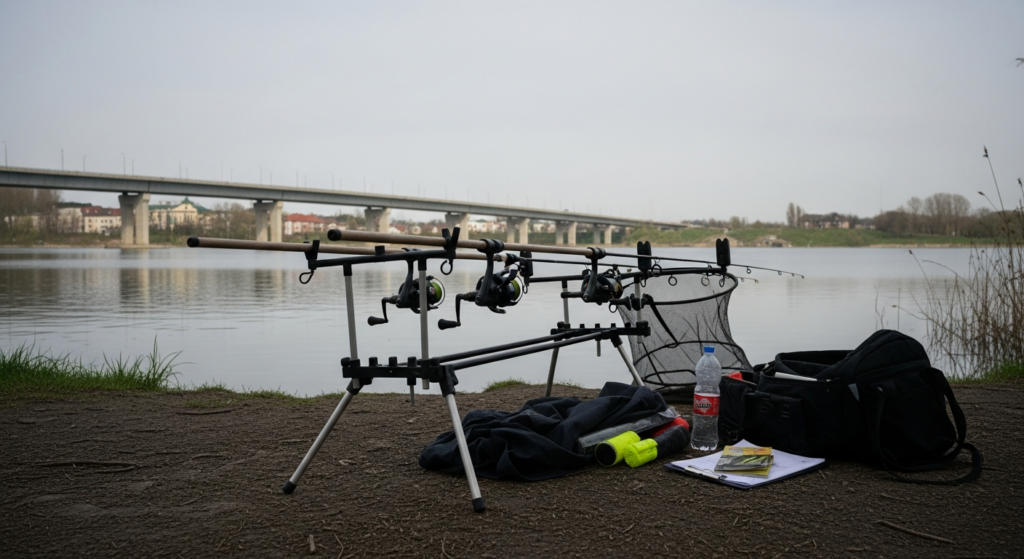
As summer temperatures continue across the Upstate, a comprehensive safety resource is reminding anglers of the critical precautions necessary for safe fishing, particularly on local waterways such as Lake Robinson, Lake Cunningham, and the Enoree River. The guide, which addresses sun protection, hydration, heat illness recognition, and emergency preparedness, is a timely reminder for those enjoying the abundant fishing opportunities in and around Greer.
One of the primary concerns for summer fishing is the intense ultraviolet (UV) radiation from the sun. The guide highlights that the sun’s rays are strongest between 10 AM and 4 PM, a period when many anglers are often on the water. Compounding this risk, water surfaces can reflect up to 15% of UV radiation, effectively increasing exposure and the potential for sunburn and long-term skin damage. To counteract this, experts recommend using broad-spectrum sunscreen, which protects against both UVA and UVB rays, with an SPF (Sun Protection Factor) of at least 30. For extended periods on the water, an SPF of 50 or higher is advised. Sunscreen should be applied generously 30 minutes before heading outdoors to allow it to absorb properly, and reapplied every two hours, or more frequently if sweating heavily or after splashing in the water.
Beyond sunscreen, protective clothing and accessories play a crucial role in mitigating sun exposure. Lightweight, long-sleeved clothing with a UPF (Ultraviolet Protection Factor) rating is highly recommended, as it provides a physical barrier against harmful rays. A wide-brimmed hat, offering at least four inches of coverage, is essential to protect the face, ears, and neck—areas often overlooked but highly susceptible to sun damage. Polarized sunglasses with 100% UV protection are also vital, not only to shield eyes from damaging rays but also to reduce glare off the water, improving visibility and reducing eye strain.
Maintaining proper hydration is another cornerstone of summer fishing safety. The guide advises anglers to begin hydrating the night before a fishing trip and to continue drinking at least eight ounces of water every 15 to 20 minutes during active fishing. This consistent intake helps the body regulate temperature and prevent dehydration. Conversely, beverages high in caffeine or alcohol should be avoided, as they can act as diuretics and contribute to fluid loss, exacerbating the risk of dehydration in hot conditions.
Recognizing the early signs of dehydration is crucial for preventing more severe health issues. Initial symptoms include increased thirst, a dry mouth, decreased urination, and general fatigue. If these signs are ignored, dehydration can progress to more serious conditions, manifesting as dizziness, a rapid heartbeat, and confusion. Anglers experiencing these advanced symptoms should seek shade immediately, rehydrate, and consider cutting their trip short.
Heat-related illnesses, particularly heat exhaustion and heat stroke, pose significant dangers during the summer months. Heat stroke is a medical emergency requiring immediate attention. Symptoms include a body temperature above 103°F, an altered mental state (such as confusion, irritability, or slurred speech), and hot, dry skin, although sweating may still occur. A rapid pulse and potential unconsciousness are also indicators. The guide emphatically states that anyone exhibiting symptoms of heat stroke should have 911 called immediately, and aggressive cooling measures, such as applying ice packs to the neck, armpits, and groin, should be initiated while awaiting emergency services.
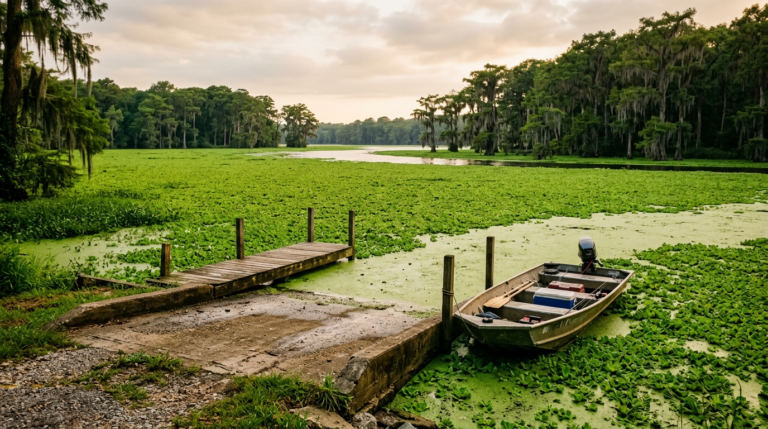
For those venturing out on boats on Lake Cunningham or the South Tyger River, additional safety measures are paramount. Before departure, it is recommended to thoroughly check the engine cooling system to prevent breakdowns in remote areas. Filing a float plan with a trusted person, detailing the fishing location, expected return time, and number of people on board, can be life-saving in an emergency. Essential emergency supplies should include a VHF radio for communication, a comprehensive first-aid kit, and extra water. The guide suggests carrying at least one gallon of water per person per day for emergencies, ensuring sufficient hydration if stranded.
General preparedness further enhances safety. Whenever possible, anglers are encouraged to fish during cooler parts of the day, such as before sunrise or a few hours before sunset, to avoid the peak heat. Utilizing natural shade along Brushy Creek or Beaverdam Creek, or bringing portable shade, can provide relief. Taking frequent breaks from direct sunlight is also advised. Carrying a well-stocked first-aid kit and cooling supplies, such as wet towels or a spray bottle, can address minor issues before they escalate. Finally, informing someone of your fishing plan and expected return time is a simple yet effective way to ensure help can be dispatched if you do not return as anticipated.
Why it matters in Greer
Greer’s numerous waterways, including Lake Robinson and Lake Cunningham, are popular destinations for fishing enthusiasts throughout the summer. The safety recommendations outlined in this guide are directly relevant to the well-being of residents and visitors who frequent these natural assets. Ensuring public safety on these waters is a shared responsibility, and adherence to these guidelines can significantly reduce the strain on local emergency services, including the Greer Police Department and Greenville County Sheriff’s Office, who may be called upon to respond to heat-related incidents or boating emergencies. By proactively adopting these precautions, Greer residents can continue to enjoy the area’s recreational opportunities safely, preserving both individual health and community resources. The Commission of Public Works (Greer CPW), which manages some of these water resources, also benefits from a public that is well-informed and prepared, contributing to the overall safe and sustainable use of Greer’s natural environment.