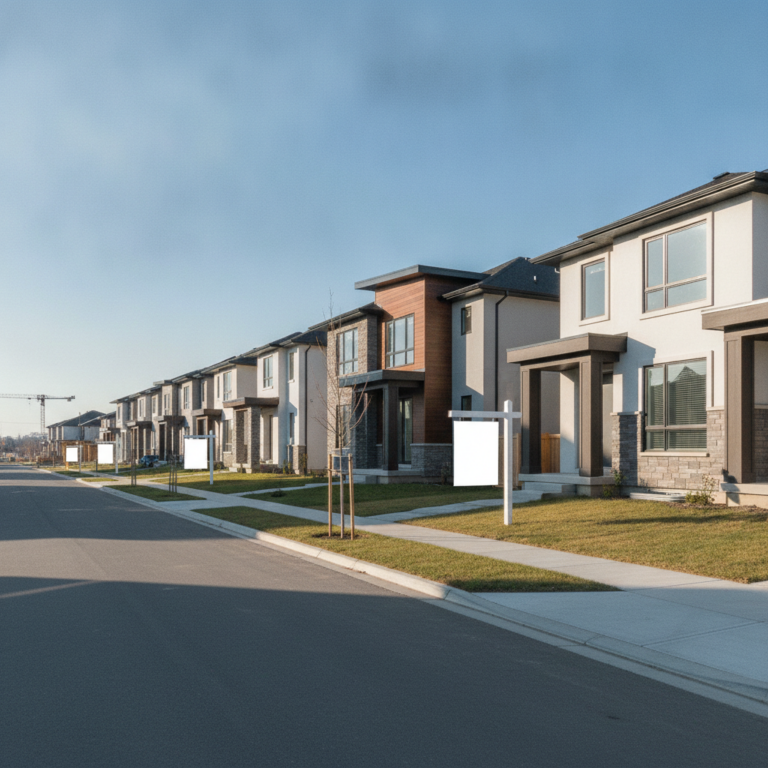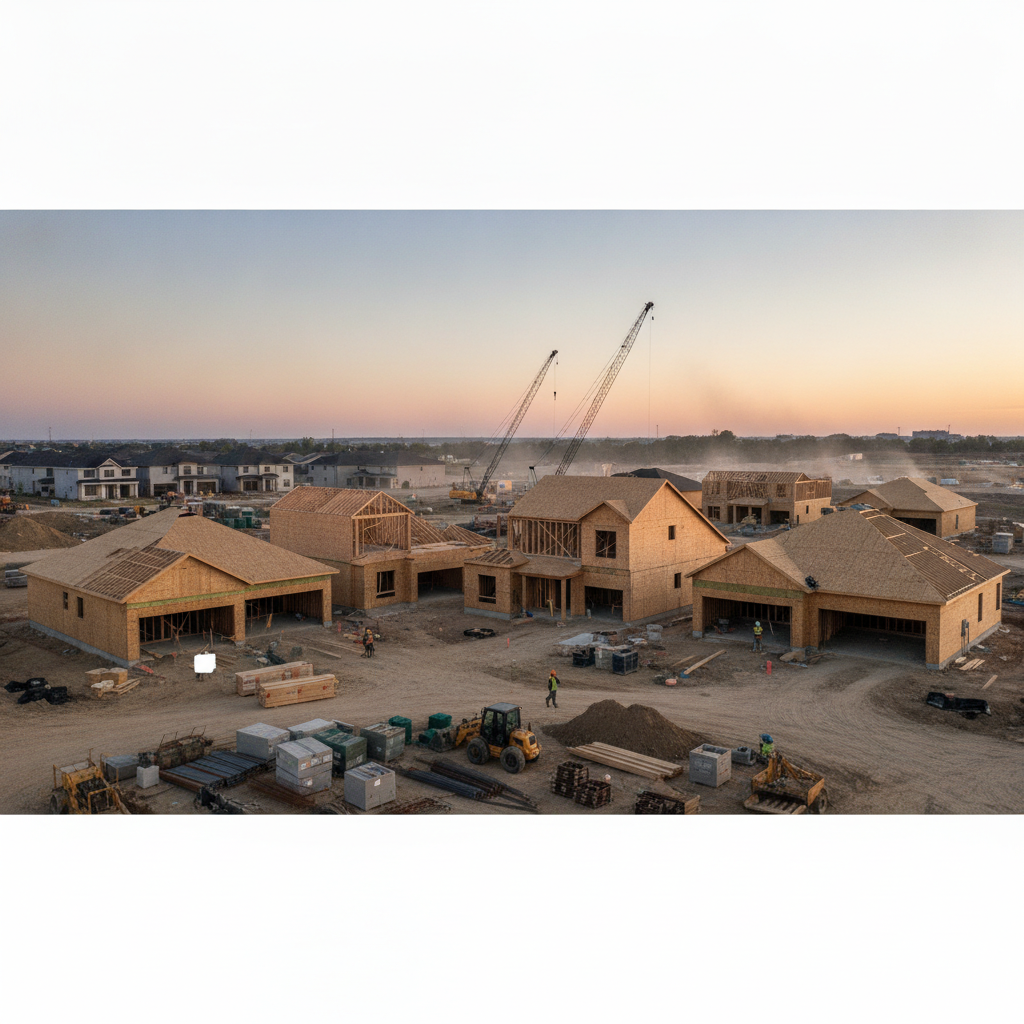
The Greenville-Anderson-Greer metropolitan area has been identified as the second-best metro in the nation for purchasing a newly built home, according to a report released on September 1, 2026. This ranking, part of the second annual Top Metros for New Construction report, highlights areas where builder-friendly conditions provide buyers with more opportunities for competitively priced new homes.
The report evaluated the 100 largest U.S. metros, with Charleston-North Charleston, South Carolina, taking the top spot. The Greenville-Anderson-Greer area’s strong performance places it ahead of Boise City, Idaho, which ranked third. Eight of the top 10 metros for new construction are located in the Southern United States, indicating a regional trend in housing development.
Joel Berner, a senior economist, noted that new construction is crucial for expanding housing supply, but its availability varies across the country. He explained that Southern metros are not only building more homes but are also creating conditions where new homes can compete with, and sometimes surpass, existing homes in price. This is often attributed to more permissive zoning, less restrictive building codes, and lower land costs in the South.
The ranking also shows a dominance of small-to-midsize metros. Charlotte, the 20th-largest U.S. metro, is the largest market in the top 10, followed by Nashville, ranked 35th. No other metro in the top 10 is among the 50 largest metropolitan areas. Berner emphasized that markets like Charleston, Greenville, and Boise demonstrate what new-home buyers value: choice and pricing that make a newly built home a realistic option. The concentration of top performers in smaller, high-growth metros suggests that housing supply responds to local conditions that facilitate building.
College towns also feature prominently in the ranking, with nearly every top-10 metro anchored by a major research university or flagship school. These institutions contribute to local employment, talent pipelines, and economic growth, which in turn helps sustain demand for new homes.
The 2026 ranking utilized four weighted measures to evaluate metros: new-construction share of listings (33%), new-construction premium (the percentage difference between median new-build and existing-home listing prices) (33%), difference in average flood, fire, air-quality, wind, and heat risk between new and existing homes (17%), and new-construction market hotness (based on page views per listing and median time on market) (17%). Madison, Wisconsin, is the only Midwestern metro in the ranking, showing the strongest new-construction shopper interest among the top 10, with page views per listing 108.4% above the national average. Boise is the sole Western metro included, with no Northeast metros making the list.