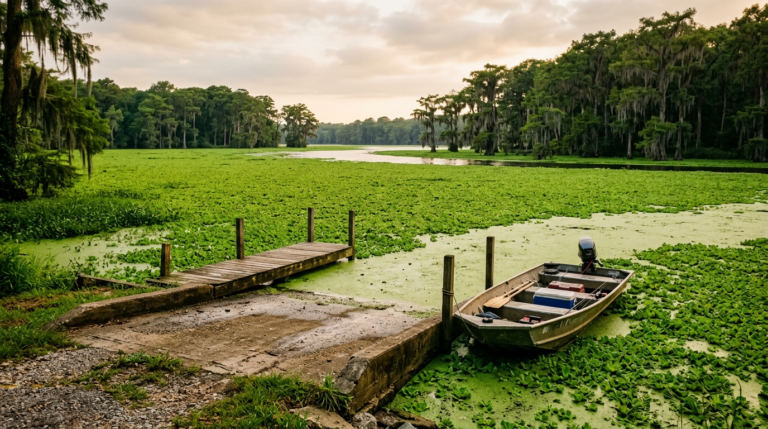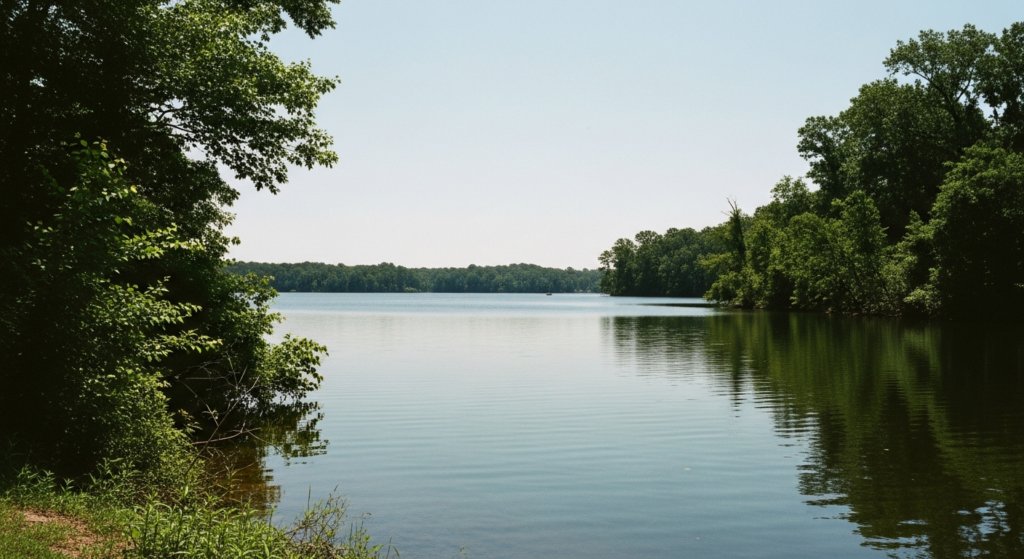
With August now underway, the allure of fishing remains strong for many in Greer, drawing enthusiasts to local waterways such as Lake Robinson, Lake Cunningham, the Enoree River, and the South Tyger River. However, the persistent summer heat in Upstate South Carolina necessitates a heightened awareness of safety protocols to prevent serious health incidents.
One of the most fundamental precautions for any angler spending extended periods outdoors in Greer’s summer climate is consistent hydration. Experts recommend starting the day with a significant intake of water and continuing to drink small amounts regularly throughout the fishing excursion. The general guideline suggests aiming for at least eight glasses of water daily, with increased consumption if sweating heavily. Carrying a large, insulated water bottle is crucial. Additionally, incorporating electrolyte tablets or drinks can help replenish essential minerals lost through perspiration, while caffeinated beverages and alcohol should be avoided as they can exacerbate dehydration.
Protection from the sun’s intense ultraviolet rays is equally vital. Anglers are advised to apply a broad-spectrum sunscreen with a minimum SPF of 30 to all exposed skin approximately 15 to 30 minutes before heading outside. Reapplication is necessary every two hours, or more frequently if sweating profusely or in the water. Beyond sunscreen, wearing wide-brimmed hats, sunglasses, and lightweight, long-sleeved clothing can provide additional physical barriers against the sun. The sun’s rays are strongest between 10 AM and 4 PM, making it advisable to minimize direct sun exposure during these peak hours. Many anglers in Greer find success and comfort by planning their trips for early morning or late evening, when temperatures are cooler and the sun is less direct.
Understanding the symptoms of heat-related illnesses is a critical component of summer safety. Heat exhaustion can manifest as heavy sweating, weakness, dizziness, nausea, headache, and muscle cramps. If these symptoms appear, it is imperative to move to a cooler environment, rest, and rehydrate. Untreated heat exhaustion can rapidly progress to heat stroke, a medical emergency characterized by a body temperature of 103°F or higher, hot and red skin (which may be dry or moist), a rapid and strong pulse, and potential confusion or unconsciousness. In such cases, immediate medical attention is required, and cooling the individual down while waiting for help is paramount.
Before embarking on any fishing trip in Greer, checking local weather forecasts is non-negotiable. Anglers should be aware of heat advisories, severe weather alerts, and any sudden changes in conditions that could affect safety. For those fishing in rivers like the Enoree or South Tyger, or smaller creeks such as Brushy Creek and Beaverdam Creek, monitoring tide charts and river conditions is also important, as water levels and currents can change rapidly, especially after heavy rainfall. Utilizing a weather radio or a smartphone application with real-time alerts can provide crucial updates while on the water.
Why it matters in Greer
The emphasis on fishing safety directly impacts the well-being of residents and visitors who enjoy Greer’s natural resources. The Greer Commission of Public Works (CPW), which manages Lake Robinson and Lake Cunningham, invests significantly in maintaining these recreational areas for public use. Incidents of heat-related illness or other emergencies place a strain on local emergency services, including the Greer Police Department and Greenville County EMS. By adhering to these safety guidelines, anglers not only protect themselves but also contribute to the responsible enjoyment of Greer’s waterways, ensuring these vital community assets remain safe and accessible for everyone. Proactive measures reduce the risk of preventable tragedies and help preserve the quality of life in Greer.