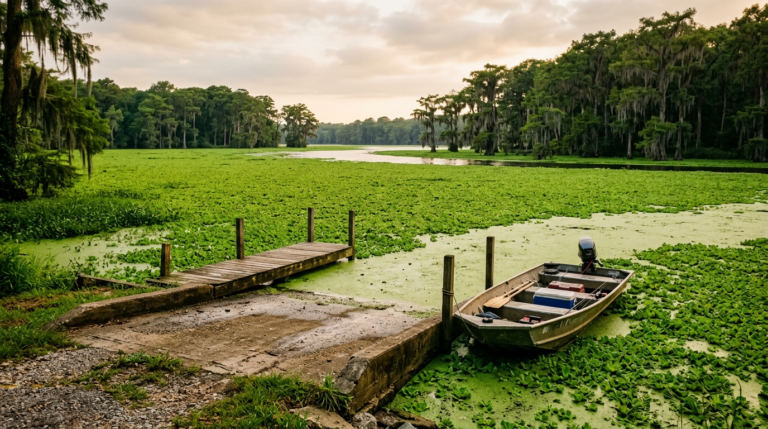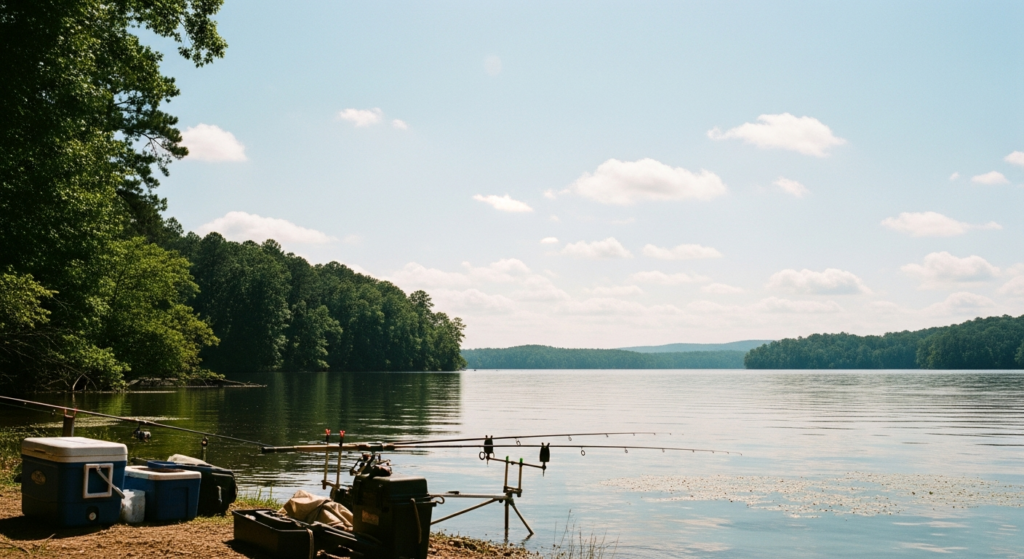
With August temperatures settling in across Upstate South Carolina, anglers heading to Lake Robinson, Lake Cunningham, or the Enoree and South Tyger Rivers are being reminded to prioritize safety measures to mitigate the risks associated with summer fishing. The guidance emphasizes preparation for extreme heat, awareness of rapidly changing weather, and adherence to responsible handling of fish.
Staying adequately hydrated is paramount during warm weather outings. Experts recommend consuming at least eight glasses of water daily, with increased intake when engaging in strenuous activity or sweating heavily. Carrying a large, insulated water bottle is advised, and supplementing with electrolyte tablets or drinks can help replenish essential minerals lost through perspiration. Anglers should consciously avoid caffeine and alcohol, which can contribute to dehydration, and schedule regular hydration breaks. Incorporating water-rich fruits and vegetables into snacks can also support fluid balance throughout the day.
Sun protection is another critical component of summer safety on the water. Broad-spectrum sunscreen with an SPF of at least 30 should be applied to all exposed skin 15 to 30 minutes before heading outdoors, and reapplied every two hours, or more frequently after sweating or entering the water. UV-protective sunglasses are essential for eye safety, and long-sleeved shirts, long pants, and wide-brimmed hats offer additional physical barriers against harmful rays. Seeking shaded areas for breaks and minimizing direct sun exposure between 10 AM and 4 PM, when the sun’s intensity is highest, are also crucial recommendations.
Understanding the symptoms of heat exhaustion and knowing how to respond can be life-saving. Symptoms include heavy sweating, general weakness, dizziness, nausea, headache, and muscle cramps. If these signs appear, individuals should immediately move to a shaded or air-conditioned environment, slowly drink cool water or an electrolyte solution, and apply cool, wet cloths to the skin. Taking a cool shower or bath, loosening tight clothing, and removing unnecessary layers can also help. It is critical to recognize that heat exhaustion can rapidly escalate to heat stroke, a life-threatening condition requiring immediate medical attention.
Greer’s summer weather can be unpredictable, making constant vigilance essential. Anglers should check local weather forecasts, heat advisories, and severe weather alerts before and during their trips. Utilizing a weather radio or a smartphone application with real-time alerts can provide crucial updates. Planning around the common afternoon thunderstorms that characterize Upstate South Carolina summers is a prudent strategy. Additionally, monitoring tide charts for coastal fishing, and river conditions for local waterways like the Enoree and South Tyger Rivers, is important, as sudden changes in water levels can pose safety risks.
Equipping oneself with essential gear can significantly enhance safety and comfort. A well-stocked first-aid kit should include bandages, antiseptics, pain relievers, and any personal medications. Ample water and high-energy snacks are indispensable. A cooler filled with ice packs can keep drinks and food cool, and a portable fan or misting device can offer relief from the heat. Beyond sunscreen, hats, and sunglasses, a multi-tool or fishing knife, extra clothing, and a lightweight waterproof jacket are practical additions to any angler’s kit.
Responsible fishing practices not only contribute to conservation but also enhance safety for both the angler and the fish. Using barbless hooks or crimping hook barbs minimizes harm to fish. When handling fish, wetting hands beforehand helps protect their protective slime coat, and avoiding contact with gills and eyes is crucial. Supporting the fish’s body fully, especially larger specimens, and limiting the time it spends out of the water are vital for its survival. Using a landing net can simplify the process of bringing a fish aboard while reducing stress. For those planning to photograph their catch, preparing cameras in advance can shorten the fish’s time out of the water. Adhering to local catch limits and seasonal restrictions, and practicing catch and release whenever possible, particularly for larger, breeding-age fish, helps sustain healthy fish populations in Greer’s waterways.
Why it matters in Greer
These safety guidelines are particularly relevant for residents of Greer and the surrounding Upstate region, where outdoor recreation, especially fishing on Lake Robinson and Lake Cunningham, is a popular summer activity. The intense heat and humidity characteristic of August in Greenville County necessitate a proactive approach to safety. Adhering to these recommendations helps ensure that individuals can enjoy the area’s natural resources without risking heat-related illnesses or other preventable accidents. The health and well-being of those recreating on Greer’s waterways directly impacts local emergency services and healthcare providers, making widespread adoption of these practices a community benefit.