As summer continues, local authorities are reminding anglers in Greer and the surrounding Upstate South Carolina region about essential safety protocols to mitigate risks associated with heat, sun exposure, and potential emergencies on the water. The guidance, compiled from various safety resources, underscores the importance of proactive measures for anyone planning to fish in areas like Lake Robinson, Lake Cunningham, or along the Enoree River and South Tyger River.
One of the primary concerns for summer fishing is the intense ultraviolet (UV) radiation from the sun. The sun’s rays are at their strongest between 10 AM and 4 PM, a period when many anglers are often on the water. Compounding this risk, water surfaces can reflect up to 15% of UV radiation, effectively increasing exposure. This heightened risk necessitates robust sun protection strategies to prevent sunburn and long-term skin damage.
To shield against harmful UV rays, the guide recommends using a broad-spectrum sunscreen with an SPF (Sun Protection Factor) of at least 30. For extended periods on the water, an SPF of 50 or higher is preferable. Sunscreen should be applied generously approximately 30 minutes before heading outdoors to allow it to absorb properly. Reapplication is crucial, advised every two hours, or more frequently if an individual is sweating heavily or getting splashed, which is common during active fishing.
Beyond sunscreen, protective clothing and accessories are vital. Lightweight, long-sleeved clothing with a UPF (Ultraviolet Protection Factor) rating can offer significant defense against the sun. Light-colored garments are also recommended as they reflect sunlight rather than absorbing it, helping to keep the wearer cooler. A wide-brimmed hat, providing at least four inches of coverage around the entire head and neck, is essential. Polarized sunglasses that offer 100% UV protection are also critical, not only for vision clarity but also for safeguarding eye health from prolonged sun exposure.
Maintaining adequate hydration is another cornerstone of summer fishing safety. The guide advises drinking at least eight ounces of water every 15 to 20 minutes during active fishing trips. Hydration efforts should begin even before the trip, with individuals encouraged to start drinking water the night before. Beverages high in caffeine or alcohol should be avoided, as they can contribute to dehydration rather than preventing it. Proper hydration is key to preventing heat-related illnesses that can quickly become serious.
Recognizing the signs of dehydration and heat-related emergencies is critical for personal safety and that of fishing companions. Early signs of dehydration include increased thirst, dry mouth, decreased urination, and general fatigue. If these symptoms are not addressed, more severe indicators can emerge, such as dizziness, a rapid heartbeat, and confusion. These advanced symptoms signal a more serious condition that requires immediate attention.
Heat stroke is described as a life-threatening emergency. Its symptoms can include a body temperature above 103°F, an altered mental state (ranging from confusion to irritability), hot and dry skin (though sometimes skin can be clammy), a rapid and strong pulse, and potentially unconsciousness. If heat stroke is suspected, the guidance is unequivocal: call 911 immediately. While waiting for emergency services, aggressive cooling measures should be initiated, such as moving the individual to a cooler, shaded area, applying cool, wet cloths, or immersing them in cool (not ice-cold) water if possible.
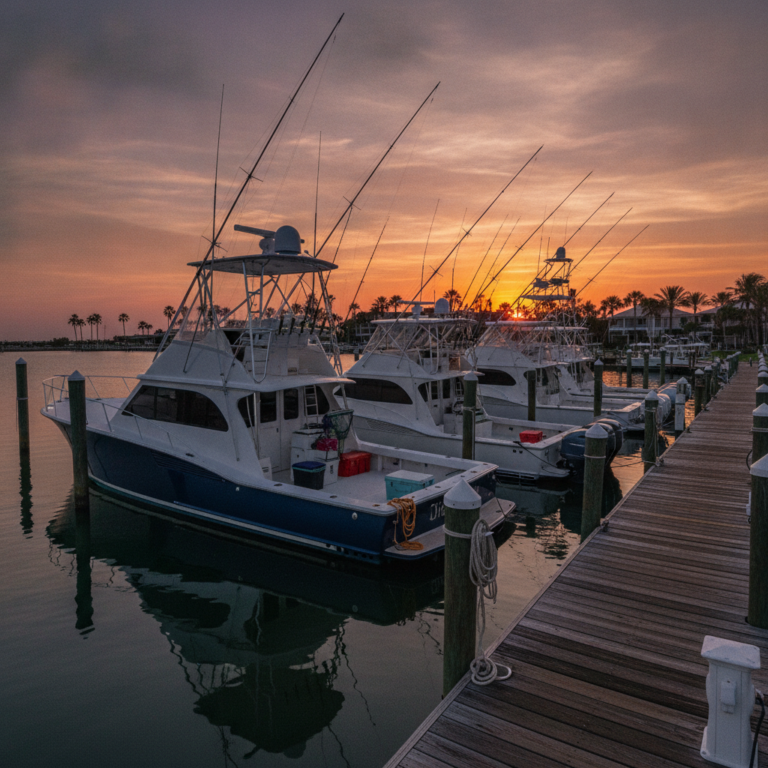
For those venturing onto Lake Robinson or Lake Cunningham in a boat, specific precautions are necessary. Before departure, boaters should always check their engine cooling system to ensure it is functioning correctly. All required safety equipment, including life jackets for every person onboard, should be maintained and easily accessible. Filing a float plan with a trusted person on shore, detailing the planned route and estimated return time, is a prudent step. Carrying extra water, at least one gallon per person per day for emergencies, and other emergency supplies is also advised. A VHF radio onboard provides a reliable means of communication in areas where cell service may be unreliable.
General preparedness extends to carrying a well-stocked first-aid kit and reliable communication supplies, such as a fully charged cell phone in a waterproof case or a satellite messenger for more remote excursions. Anglers are also advised to be aware of changing weather conditions and to end their trips when conditions become dangerous, whether due to extreme heat, approaching storms, or other hazards. Fishing during cooler periods, such as early morning or evening, and utilizing natural shade or deeper water during peak heat, can further reduce risks.
Why it matters in Greer
For the residents of Greer, particularly those who enjoy recreational activities on Lake Robinson and Lake Cunningham, understanding and implementing these safety guidelines is paramount. The presence of significant waterways within and immediately surrounding Greer offers popular fishing opportunities, but these come with inherent risks during the summer months. Adhering to these safety measures helps ensure that individuals can enjoy the natural beauty and recreational benefits of Greer’s aquatic environments without succumbing to preventable heat-related illnesses or accidents. The City of Greer, through its various departments, supports the safe use of its public spaces and natural resources, and these guidelines contribute directly to the well-being of the community’s outdoor enthusiasts.