The City of Greer has established a framework for public health and safety during periods of elevated temperatures, coordinating municipal services and community resources to address the challenges posed by summer heat events. This planning aims to inform residents about available support and potential adjustments to public services.
Understanding the public health risks associated with extreme heat is central to the city’s approach. Prolonged exposure to high temperatures can lead to heatstroke, exhaustion, and exacerbate existing health conditions, particularly among vulnerable populations such as the elderly, young children, and individuals with chronic illnesses. Public health advisories typically emphasize the importance of hydration, seeking air-conditioned environments, and minimizing strenuous outdoor activities during peak heat hours. The city’s strategy focuses on disseminating this information and ensuring access to protective resources.
Coordination across various departments is a hallmark of Greer’s heat event preparedness. The City of Greer administration, under the leadership of Mayor Rick Danner and City Administrator Andy Merriman, plays a central role in orchestrating a unified response. This includes activating emergency protocols, communicating with local service providers, and ensuring that public facilities are ready to support community needs. The goal is to create a resilient infrastructure that can withstand environmental pressures and safeguard public well-being.
A critical component of this preparedness involves utility infrastructure. Greer CPW (Commission of Public Works) is responsible for maintaining the city’s essential services, including electricity and water, which face increased demand during heat waves. Proactive measures by Greer CPW include monitoring utility grids for potential overloads, conducting preventative maintenance, and ensuring rapid response capabilities for any service interruptions. Reliable access to power is crucial for air conditioning, and a consistent water supply is vital for hydration and sanitation, making Greer CPW’s role indispensable during summer months.
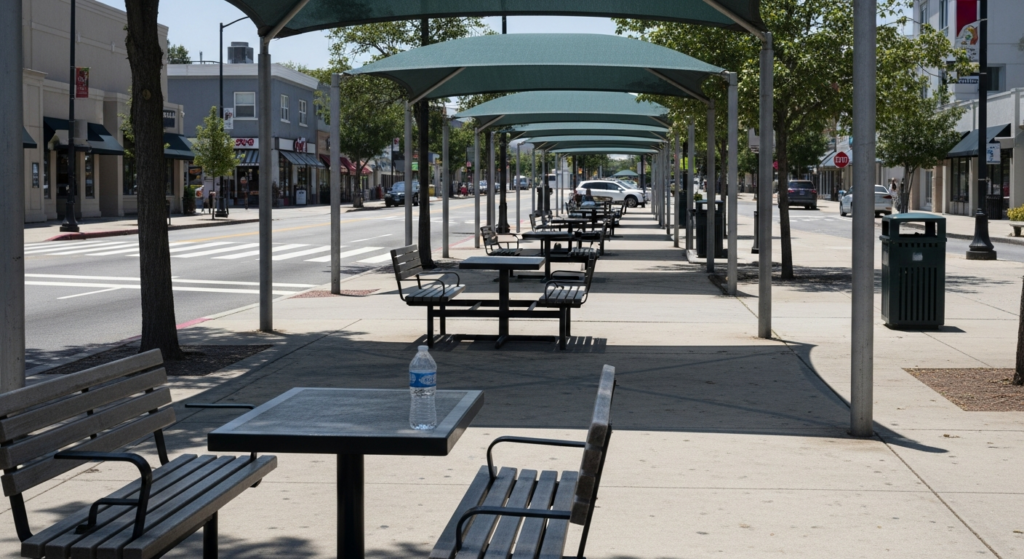
Community cooling options are another key aspect of the city’s planning. While specific designations for cooling centers can vary based on the severity and duration of a heat event, public facilities within Greer are often considered for this purpose. Locations such as the Greer Community Center Park and Greer City Park, which offer shaded areas and sometimes indoor facilities, may serve as accessible havens for residents seeking relief from the heat. The availability of such public spaces underscores the city’s commitment to providing accessible resources during challenging weather conditions.
Public schedules and educational institutions may also see adjustments. The local public school district (GCS), for instance, often reviews policies regarding outdoor activities, sports practices, and recess schedules during periods of extreme heat to protect students and staff. These proactive measures are designed to prevent heat-related illnesses among students and ensure a safe learning environment, demonstrating a flexible approach to daily operations in response to environmental factors.
Transportation impacts, while not always severe, can also be a consideration. High temperatures can affect vehicle performance and public transit systems. The Greer Police Department, alongside other public safety entities, remains vigilant during heat events, prepared to respond to heat-related emergencies and provide assistance as needed. Their presence helps ensure public order and provides an immediate resource for residents facing distress.
Public advisories issued by health officials during heat events typically provide practical guidance for residents. These recommendations often include staying indoors during the hottest parts of the day, wearing lightweight and light-colored clothing, taking cool showers or baths, and avoiding sugary or alcoholic beverages. Checking on neighbors, especially the elderly or those living alone, is also a common recommendation to ensure community-wide well-being. These advisories are framed as public health information, guiding residents on how to mitigate personal risk rather than issuing mandates.
Why it matters in Greer
The comprehensive planning for heat events is vital for the health and safety of every resident in Greer. The coordinated efforts of the City of Greer administration, Greer CPW, and institutions like the local public school district directly impact daily life, from ensuring reliable utilities to providing safe public spaces and adjusting school schedules. A robust response framework helps protect vulnerable populations, maintain essential services, and foster community resilience against the increasing frequency and intensity of summer heat waves. This proactive stance by Greer’s public services is fundamental to the well-being and operational continuity of the community, particularly as summer temperatures continue to define the season.
Filed under: Greer SC Health News