Property owners in Greer are navigating the ongoing demands of home upkeep, with a particular focus on seasonal adjustments designed to mitigate the effects of summer weather and ensure long-term structural integrity. A comprehensive maintenance checklist, recently compiled, provides guidance on tasks ranging from indoor system checks to exterior repairs and landscaping, emphasizing proactive measures to protect investments.
Indoor Systems and Air Quality
Regular maintenance of indoor air systems is a cornerstone of summer home care. Changing air-conditioning filters, for instance, is recommended at least every 90 days. For residents with allergies or respiratory sensitivities, a monthly replacement schedule is often advised. This practice not only enhances indoor air quality by trapping dust, pollen, and other particulates but also significantly improves the efficiency of HVAC systems. Clogged filters force the system to work harder, leading to increased energy consumption and potential wear on components. Beyond filters, the checklist advises cleaning vents, air ducts, and exhaust fans to ensure unobstructed airflow and prevent the accumulation of allergens and debris.
Another simple yet effective adjustment involves reversing ceiling fans to operate in a counterclockwise direction, which pushes cool air down, creating a wind-chill effect that can make rooms feel cooler without lowering the thermostat. As temperatures remain elevated throughout the summer, homeowners are also encouraged to replace heavier winter bedding with lighter linen or cotton materials and to inspect window treatments. Medium-colored drapes with white plastic backing, for example, can reduce heat gains by as much as 33 percent, contributing to cooler indoor environments and lower cooling costs.
Plumbing fixtures throughout the home should be inspected for any signs of leaks, which can lead to water damage and mold growth if left unaddressed. In the kitchen, cleaning refrigerator and freezer coils is a task often overlooked but critical for appliance efficiency and longevity. Annually, the dryer vent should be thoroughly vacuumed; this simple step is a key preventative measure against house fires caused by lint buildup. Finally, all damp areas within the home, such as bathrooms, basements, and utility rooms, should be regularly checked for mold, with prompt action taken to address any growth.
Exterior and Structural Integrity
Maintaining the exterior of a home is crucial for both curb appeal and structural protection. The checklist recommends a thorough inspection of siding for any damage or wear, followed by power-washing to remove accumulated dirt, mildew, and grime. Any chipped or faded exterior paint should be touched up to prevent further deterioration and protect underlying materials. Windows require attention as well, with recommendations for washing and weatherproofing to ensure seals are intact and energy efficiency is maintained.
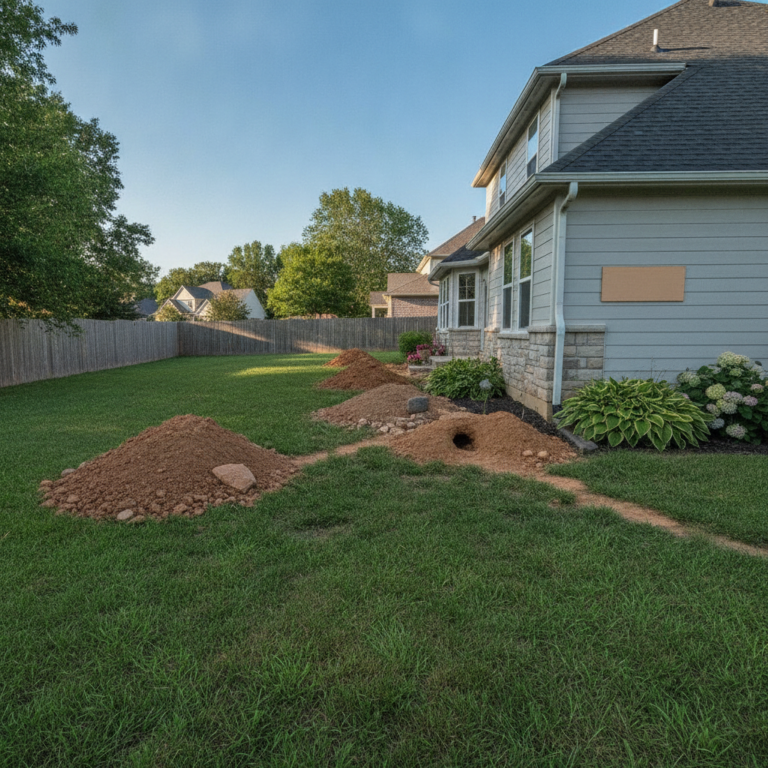
Clean gutters are essential for proper water drainage, preventing water from pooling around the foundation or overflowing and damaging fascia boards. Homeowners are advised to check the foundation for any cracks or leaks, as these can contribute to basement flooding and potentially higher radon levels, posing health risks. Servicing the AC unit professionally before the peak heat of summer ensures it operates efficiently, reducing the likelihood of breakdowns. Cleaning outdoor furniture prepares patios and decks for use, while resealing these surfaces protects them from weather damage. Repairing cracks in driveways and walkways not only improves aesthetics but also prevents further erosion and trip hazards. Fencing should be inspected for stability and damage. Finally, minor exterior repairs, such as loose shingles or damaged trim, should be addressed promptly to prevent more extensive issues. Paint, chemicals, and solvents stored in hot garages should be relocated to a stable, moderate-temperature environment to prevent degradation and potential hazards.
Landscaping and Pest Management
Summer landscaping tasks are vital for maintaining property aesthetics and health. The checklist suggests removing any plants or lawn debris damaged during the winter months. When mowing and edging, setting the mower to its highest setting promotes healthier grass growth and helps the lawn retain moisture. Watering plants every three to four days is a general guideline, with more frequent watering necessary during heat waves. Adjusting sprinklers to provide 1 to 1.5 inches of water per week, preferably at dawn, minimizes evaporation and ensures deep root saturation. Pruning plants and shrubs, weeding garden beds, and deadheading flowers contribute to plant health and a tidy appearance.
An often-overlooked aspect of summer maintenance is pest inspection. Homeowners are advised to regularly check for signs of termites, mosquitoes, ants, and silverfish, particularly in areas where moisture might accumulate or where plants are close to the foundation. Early detection and intervention can prevent infestations from becoming significant problems.
Pool Opening Procedures
For Greer residents with pools, the checklist provides a detailed guide for opening them once outside temperatures consistently remain above 70 degrees Fahrenheit during the day. The process begins with removing and storing the pool cover, followed by cleaning the surrounding deck area. Winter guards and plugs should be removed, and all filters, skimmers, pumps, and drains cleared and cleaned. After reinstalling accessories, the pool should be filled to the middle of the skimmer. Preparing the pump, filter, and heater for operation and then turning on the pump are subsequent steps. Finally, any remaining debris should be removed, and the pool thoroughly vacuumed and scrubbed.
Once the physical cleaning is complete, chemical balancing is critical. This involves adding opening chemicals and pool shock, then testing and balancing pH, alkalinity, calcium hardness, cyanuric acid, and chlorine levels. The pool should then be run for 24 hours, after which the water is retested, and additional chemicals are added as needed to achieve optimal water quality and safety.
Professional Inspections and Costs
While many maintenance tasks can be handled by homeowners, certain inspections are best left to professionals. A comprehensive home inspection, for example, typically costs about $350, with prices generally ranging from $300 to $425. Such an inspection can provide an expert evaluation of major appliances, electrical systems, plumbing, HVAC systems, and the foundation, identifying potential issues before they escalate. Similarly, an annual HVAC tune-up, which typically costs between $75 and $200, can ensure the system runs efficiently, prolonging its lifespan and preventing costly emergency repairs during the hottest months of the year.
Why it matters in Greer
Proactive home maintenance in Greer is more than just a seasonal chore; it is a critical component of preserving property values and ensuring the safety and comfort of residents. For homeowners in neighborhoods like O’Neal Village or Thornblade, consistent upkeep protects their significant investments and contributes to the overall appeal of the community. Neglecting these tasks can lead to costly repairs, increased utility bills, and potential health hazards. Furthermore, well-maintained homes reduce strain on local infrastructure, including services provided by Greer CPW, by preventing issues like water leaks or electrical overloads. By adhering to a comprehensive summer maintenance schedule, property owners in Greer contribute to the long-term resilience and desirability of their homes and the broader community.