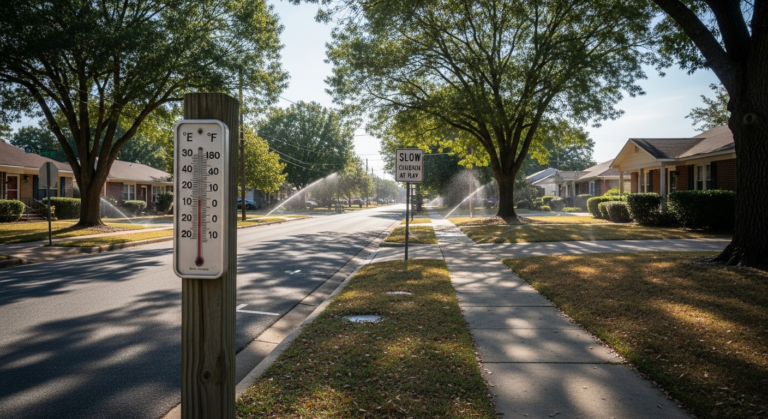
As summer continues, health officials are emphasizing the importance of understanding and responding to heat-related illnesses, a concern underscored by national data. In 2023, excessive heat was linked to 294 deaths across the United States, highlighting the serious risks associated with prolonged exposure to high temperatures.
Guidance from public health authorities distinguishes between heat exhaustion, a less severe but still serious condition, and heat stroke, which constitutes a medical emergency requiring immediate intervention. Recognizing the signs of both, and knowing how to react, can be life-saving.
Certain populations are identified as being at a significantly higher risk for heat-related illnesses. This includes individuals who work outdoors, such as those employed by BMW Manufacturing Co. or the City of Greer’s public works department. Infants and young children are also highly vulnerable, particularly when left unattended in hot vehicles. The elderly, specifically those aged 65 and older, face increased risks, as do individuals with pre-existing illnesses, chronic health conditions, or those taking certain medications. People who are overweight also fall into the higher-risk category.
For those working in hot environments, whether outdoors or in facilities without adequate climate control, specific precautions are recommended. Employers are advised to implement shorter shifts, especially for new workers, to allow for gradual acclimatization to the heat. Staying hydrated is paramount; workers should drink fluids before feeling thirsty. A buddy system is also encouraged, where co-workers monitor each other for signs of heat exhaustion or heat stroke. Regular breaks in cool, shaded, or air-conditioned areas are crucial for recovery and preventing overheating. Even indoor workplaces, particularly those near ovens, furnaces, or in unconditioned spaces, can pose heat stress risks. A specialized Heat Stress mobile application is available to help assess job-related risks in such environments.
Heat exhaustion typically results from the excessive loss of water and salt through sweating. Its symptoms can include pale, ashen, or moist skin, muscle cramps, fatigue, weakness, or general exhaustion. Individuals may also experience headaches, dizziness, or fainting spells, along with nausea or vomiting and a rapid heart rate. If someone exhibits these signs, initial treatment involves moving them immediately to a shaded or air-conditioned space. They should be given water or another cool, nonalcoholic beverage to drink. Applying wet towels to the skin or facilitating a cool shower can also help lower body temperature.
Heat stroke, however, is a critical condition that demands immediate medical attention. Signs that differentiate it from heat exhaustion include a body temperature exceeding 103 degrees Fahrenheit. The skin will typically appear flushed, dry, and hot, and sweating usually stops. Other indicators are rapid breathing, headache, dizziness, confusion, or other altered mental states. Individuals may also display irrational or belligerent behavior, experience convulsions, or become unresponsive. These symptoms signal a life-threatening emergency.
Responding to a suspected heat stroke requires swift action. The first step is to call 911 without delay. While waiting for emergency services, move the person to the coolest available place. Remove any unnecessary clothing to aid cooling. The most effective immediate cooling method, if a second rescuer is available to assist, is to immerse the person up to their neck in cold water. If immersion is not possible, a cold shower or the application of cold, wet towels to the body should be used. Cooling efforts should continue until the person’s body temperature drops to 101 degrees Fahrenheit. Throughout this process, their breathing should be monitored, and cardiopulmonary resuscitation (CPR) administered if necessary. It is important not to force liquids on someone experiencing heat stroke, apply rubbing alcohol to their skin, or give them pain relievers or salt tablets.
Preventative measures are the most effective way to avoid heat-related illnesses. Using air conditioning, when available, is highly recommended. Consistent hydration, even when not feeling thirsty, is vital, though alcohol consumption should be avoided. Wearing loose-fitting, lightweight clothing, a hat, and sunscreen can help protect against the sun’s direct rays. To replenish salts lost through sweating, fruit juice or sports drinks are good options. Limiting outdoor activities during the hottest part of the day, typically between 11 a.m. and 3 p.m., is also advised. Pacing physical exertion and taking frequent breaks are important, especially during summer. Finally, checking on elderly, house-bound, or otherwise vulnerable neighbors is a crucial community effort. Offering an air-conditioned space, transportation to a cooling center, or assistance in arranging services can provide vital support to those most at risk in Greer.
Why it matters in Greer
The comprehensive heat safety guidance is particularly relevant for the Greer community, given its significant industrial base and active outdoor lifestyle. Major employers like BMW Manufacturing Co. and GSP International Airport have numerous employees who may work outdoors or in facilities where heat exposure is a factor, making workplace safety protocols critical. Additionally, Greer’s many parks, including Greer City Park and Century Park, are popular destinations for recreation, where residents must be mindful of heat risks during summer outings. The well-being of vulnerable populations, such as older adults residing in neighborhoods like O’Neal Village or Pelham Falls, depends on community awareness and proactive measures. City of Greer officials and local emergency services are prepared to respond to heat-related incidents, but widespread adherence to these preventative measures can significantly reduce the burden on healthcare systems and ensure public safety across the city.