A new comprehensive safety guide has been released, providing detailed recommendations for individuals engaging in fishing and other water-based activities across Greer and its surrounding areas during the ongoing summer months. The guide, compiled from public safety and environmental recommendations, aims to enhance the well-being of anglers and preserve the ecological health of local waterways such as Lake Robinson, Lake Cunningham, the Enoree River, and the South Tyger River.
Central to the guide’s advice is the critical importance of hydration. It strongly recommends that individuals drink water regularly, commencing their day with a substantial intake. A daily target of at least eight glasses of water is suggested, with increased consumption necessary during periods of heavy sweating. Carrying an insulated water bottle is advised to keep water cool, and electrolyte drinks or tablets are presented as options to replenish lost minerals. The guide specifically cautions against the dehydrating effects of caffeine and alcohol, recommending their avoidance while engaging in outdoor activities. Incorporating water-rich fruits and vegetables into one’s diet is also noted as a beneficial practice.
Sun protection is another key area of focus. The guide advises applying broad-spectrum sunscreen with a minimum SPF of 30 to all exposed skin. This application should occur 15 to 30 minutes before going outdoors, with reapplication every two hours, or more frequently if sweating heavily or after water exposure. Beyond sunscreen, UV-protective sunglasses are recommended to shield eyes from harmful rays, and protective clothing is highlighted as a primary defense. Anglers are encouraged to seek shaded breaks regularly and to minimize direct sun exposure, particularly between 10 AM and 4 PM, when UV radiation is typically most intense.
Complementing sun protection, the guide details appropriate clothing choices for summer fishing. It suggests light-colored, loose-fitting garments made from breathable or moisture-wicking fabrics. UV-protective clothing offers an additional layer of defense against the sun. A wide-brimmed hat is recommended for facial and neck protection, along with a buff or neck gaiter. For footwear, lightweight options with good grip are advised, with water shoes specifically suggested for those planning to wade in the rivers or lake shallows.
The guide also outlines the symptoms of heat exhaustion and appropriate responses. These symptoms include heavy sweating, weakness, dizziness, nausea, headache, and muscle cramps. Should these signs appear, immediate action is crucial: resting in a shaded area or air-conditioned space, slowly consuming cool water or an electrolyte drink, applying cool wet cloths to the body, and taking a cool shower or bath. Loosening clothing can also aid in cooling. The guide stresses that these measures are vital to prevent the condition from progressing to heat stroke, which requires immediate medical attention.
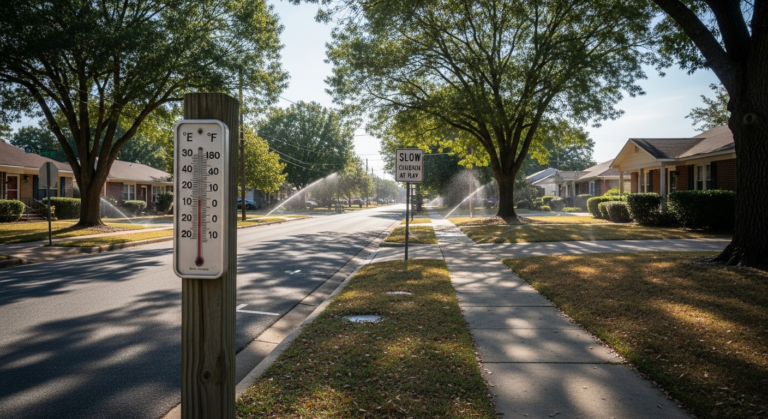
Weather awareness is presented as a non-negotiable aspect of safe fishing. The guide recommends consistently checking local weather forecasts, heat advisories, and severe-weather alerts before and during any outing. For those fishing in specific areas, consulting tide charts and river conditions is also advised. Utilizing a weather radio or smartphone alerts can provide real-time updates. To mitigate heat exposure, planning fishing trips for cooler periods, such as early morning or late afternoon, is suggested. Furthermore, the guide advocates for a buddy system, ensuring no one fishes alone, especially in remote areas of Greer’s natural landscapes.
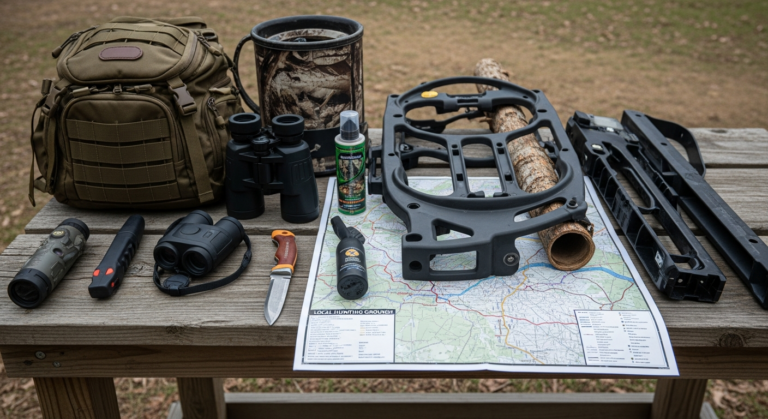
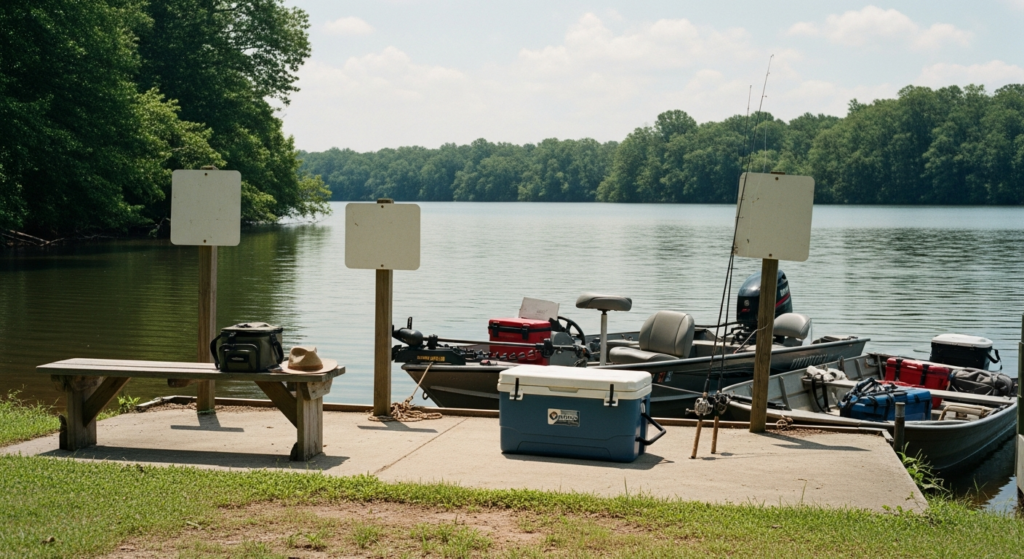
An essential gear checklist is provided to ensure preparedness. A well-stocked first-aid kit, containing bandages, antiseptics, pain relievers, and any personal medications, is paramount. Adequate water and high-energy snacks are crucial for sustaining energy and hydration. A cooler filled with ice packs can keep drinks and snacks cool, and a portable fan or misting device can offer personal cooling. Beyond sunscreen, hats, and sunglasses, a multi-tool or fishing knife, extra clothing, and a lightweight waterproof jacket are recommended to address various contingencies that might arise on the water.
Finally, the guide emphasizes responsible fishing practices that contribute to the sustainability of Greer’s aquatic ecosystems. It recommends using barbless hooks or crimping hook barbs to minimize harm to fish. When handling fish, wetting hands before touching them, avoiding contact with gills and eyes, and properly supporting the fish are crucial to prevent injury. Limiting the time a fish spends out of water, using a landing net for easier and safer retrieval, and preparing cameras in advance for quick photos are all practices designed to reduce stress on the fish. Adhering to local catch limits and seasonal restrictions is mandatory, and practicing catch and release, particularly for larger breeding-age fish, is strongly encouraged to support healthy fish populations in Lake Robinson, Lake Cunningham, and the region’s rivers.
Why it matters in Greer
The release of this comprehensive safety guide holds particular significance for Greer, a community where outdoor recreation, especially fishing, is a cherished summer activity on local bodies of water like Lake Robinson and Lake Cunningham, as well as the Enoree and South Tyger Rivers. With the City of Greer and Greer CPW managing and overseeing various public access points and water resources, ensuring the safety of residents and visitors who utilize these natural assets is a priority. The guide’s recommendations directly address common risks associated with summer heat and water activities, aiming to prevent heat-related illnesses and promote sustainable practices that protect the region’s natural beauty and biodiversity for current and future generations of anglers and outdoor enthusiasts. It provides a clear framework for safe and enjoyable recreation, directly benefiting the well-being of those who frequent Greer’s waterways.